
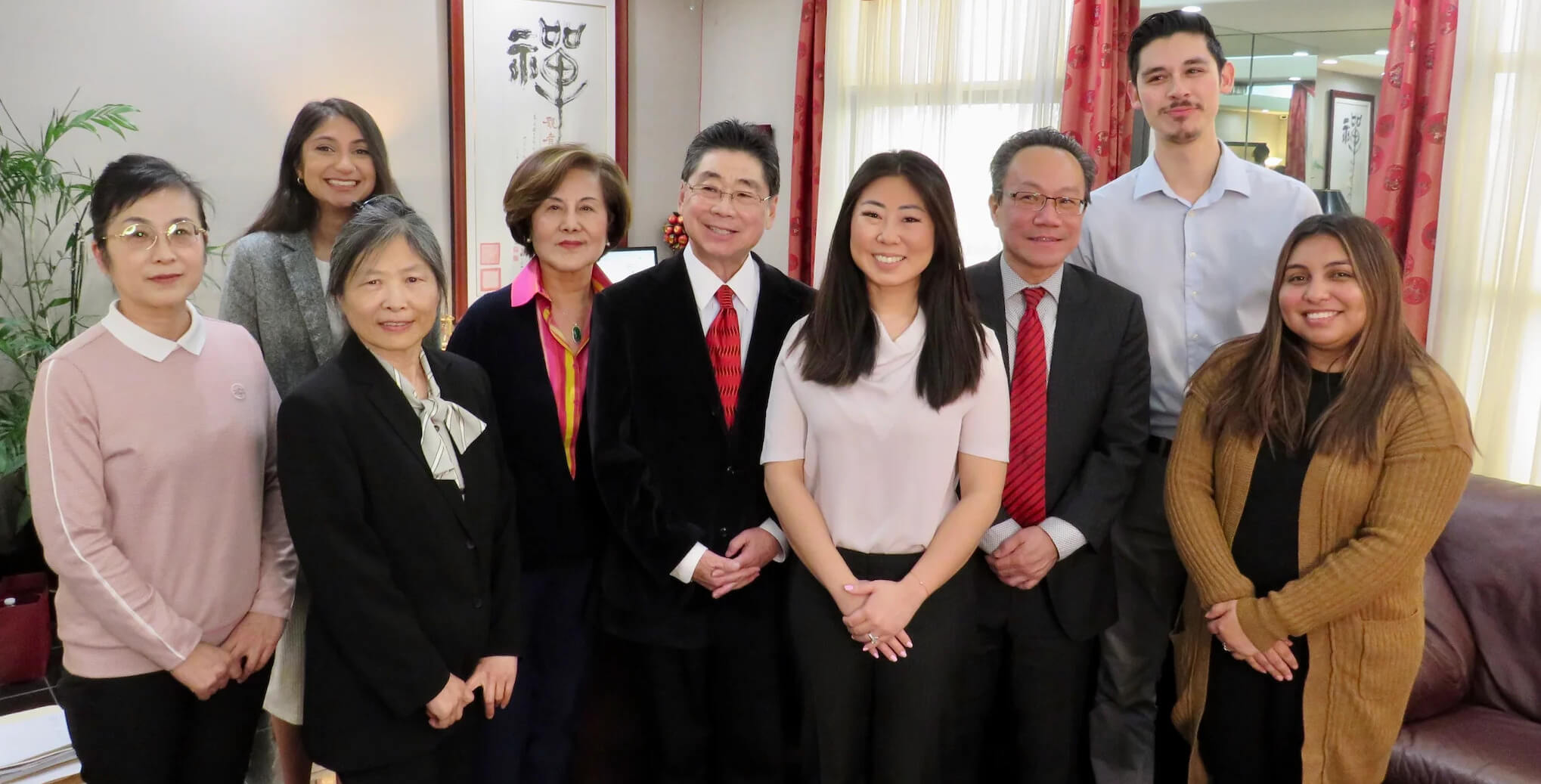
Why Choose Us?
-

Unmatched Expertise
Trust in Peter Chu's 75+ years of collective experience to guide you through complex immigration matters.
-

Tailored Solutions
Our personalized strategies adapt to your unique circumstances, ensuring we meet your specific immigration needs.
-

Proven Success
Benefit from our solid track record in achieving favorable outcomes in various immigration cases across San Diego.
-

Dedicated Service
Experience our client-first approach that ensures constant support and guidance throughout your immigration journey.


Get clear, expert legal guidance tailored to your visa, green card, or citizenship needs.

Inquire now to check if you qualify
K-3 Visa vs. CR-1/IR-1 Immigrant Visa: Which Path is Faster for Apple Valley Families?
Many Apple Valley families ask whether filing a K-3 nonimmigrant visa petition or waiting for CR-1/IR-1 consular processing is the better strategy. The answer depends on current USCIS and consular processing times, which have shifted significantly in recent years. The K-3 was created in 2000 to reduce separation time for spouses, but as I-130 processing has accelerated, the K-3 now frequently takes as long or longer than direct consular processing. Making it a less common choice today.
Here's the honest answer: for most immediate relative spouse cases filed in 2026, direct CR-1/IR-1 consular processing completes faster than K-3 processing, with lower filing fees and fewer procedural steps. The K-3 requires two separate USCIS petition approvals (I-130 and I-129F), two separate fee payments, and consular processing that is nearly identical to CR-1 processing. But results in nonimmigrant status that still requires adjustment of status after entry, adding a third filing step (I-485). The CR-1/IR-1 path requires only one petition (I-130), one consular process, and grants immediate permanent resident status upon entry. No adjustment required. We recommend the K-3 path only in cases where the I-130 has already been pending for an unusually long time (12+ months) or where consular processing at a specific post is significantly backlogged.
| Factor | K-3 Spouse Visa | CR-1/IR-1 Immigrant Visa | Professional Assessment |
|---|---|---|---|
| Processing Time | 6–12 months (I-129F) after I-130 filing | 10–14 months (I-130 + consular) | CR-1 typically faster in 2026 |
| Status Upon Entry | Nonimmigrant (requires I-485 adjustment) | Immediate permanent resident | CR-1 grants green card on arrival |
| Total USCIS Fees | $535 (I-130) + $535 (I-129F) + $1,225 (I-485) = $2,295 | $535 (I-130) + consular fees (~$325) = ~$860 | CR-1 significantly cheaper |
| Work Authorization | Available after I-765 filed (2–5 months) | Immediate upon entry | CR-1 provides work authorization day one |
Frequently Asked Questions
Find answers to common questions about our services
-
K-3 visa processing for Apple Valley residents typically takes 6–12 months from Form I-129F filing to visa issuance, though timelines vary by USCIS service center and the consular post processing the case. The I-129F petition itself is usually adjudicated
-
No. K-3 visa holders are not automatically authorized to work upon entry to the United States. However, once you file Form I-765 (Application for Employment Authorization) as part of your adjustment of status application (I-485), you can receive an Employ
-
If the consular officer denies your K-3 visa application, you will receive a written explanation citing the reason for denial under U.S. immigration law. Common grounds include failure to establish a bona fide marriage, incomplete civil documents, or inad
-
In most cases filed in 2026, the CR-1 immigrant visa is faster and more cost-effective than the K-3 visa for Apple Valley couples. The K-3 requires two USCIS petition approvals (I-130 and I-129F), separate filing fees, and still results in nonimmigrant st
-
A K-3 petition (Form I-129F) requires: a copy of the I-130 receipt notice showing it was filed and is pending, a copy of your marriage certificate with certified English translation if applicable, proof of the U.S. citizen petitioner's citizenship (passpo
-
Yes. Your unmarried children under age 21 can accompany you to the United States on K-4 visas (derivative visas based on your K-3 status) if they are listed on your Form I-129F petition. The children do not need to be the biological children of the U.S. c
-
A K-3 visa is for someone who is already married to a U.S. citizen and waiting for immigrant visa processing to complete, while a K-1 visa is for a fiancé who intends to marry the U.S. citizen within 90 days of entering the United States. The K-1 requires
-
You are not legally required to hire a lawyer to file a K-3 petition. USCIS accepts self-filed petitions. However, K-3 cases involve coordination between multiple USCIS forms (I-130, I-129F, I-485), strict evidentiary requirements to prove bona fide marri
Need Personalized Immigration Guidance?

