
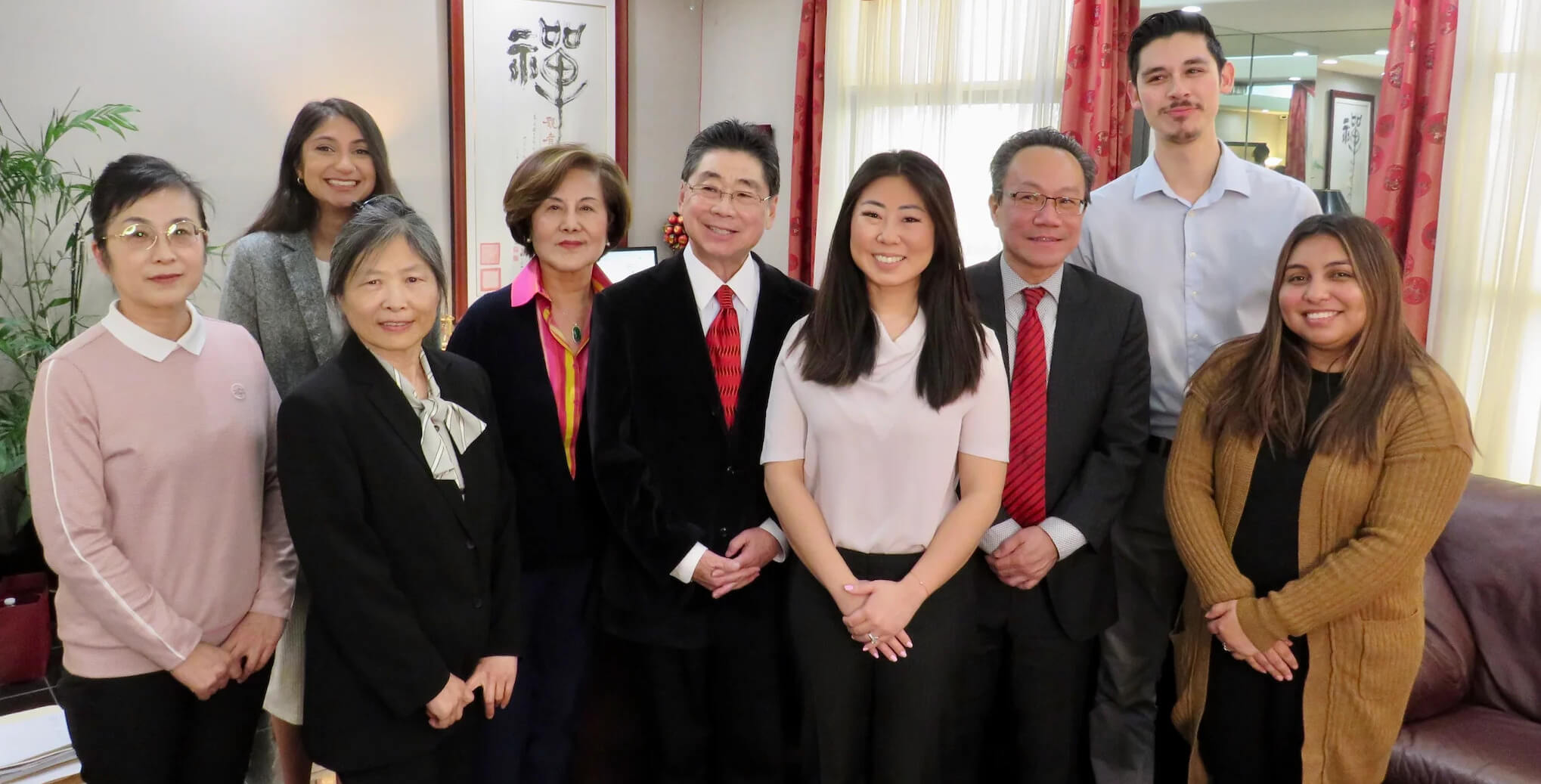
Why Choose Us?
-

Unmatched Expertise
Trust in Peter Chu's 75+ years of collective experience to guide you through complex immigration matters.
-

Tailored Solutions
Our personalized strategies adapt to your unique circumstances, ensuring we meet your specific immigration needs.
-

Proven Success
Benefit from our solid track record in achieving favorable outcomes in various immigration cases across San Diego.
-

Dedicated Service
Experience our client-first approach that ensures constant support and guidance throughout your immigration journey.


Get clear, expert legal guidance tailored to your visa, green card, or citizenship needs.

Inquire now to check if you qualify
K-3 Visa vs. CR-1/IR-1 Immigrant Visa vs. Visitor Visa for Spousal Reunification in Daly City
U.S. citizens in Daly City seeking to bring a foreign spouse to California face three common pathways, each with distinct legal frameworks and timing implications. Here's the honest answer: the K-3 category was more useful before 2010 when immigrant visa processing took 18-24 months. Today, with CR-1/IR-1 processing times averaging 12-15 months at most consular posts, K-3 provides meaningful advantage only when the I-130 is experiencing abnormal delays or the couple needs work authorization faster than the immigrant visa timeline allows. Attempting to use a B-2 visitor visa for spousal reunification with intent to adjust status is visa fraud under INA Section 214(b) and will result in green card denial plus a permanent bar from future immigration benefits.
| Pathway | Processing Time | Work Authorization | Re-entry After Filing | Professional Assessment |
|---|---|---|---|---|
| K-3 Visa | 6-10 months I-129F + consular | EAD 90 days after I-485 filing | Advance parole required | Best when I-130 is delayed or work authorization is urgent; adds filing fees but provides faster U.S. entry |
| CR-1/IR-1 Immigrant Visa | 12-15 months total | Immediate upon entry as LPR | Unrestricted with green card | Standard pathway; one-step process, permanent residence upon entry, no adjustment filing required |
| B-2 Visitor with Adjustment Intent | Not applicable. This is fraud | Not available | Not applicable | Illegal pathway; misrepresentation of intent at entry is grounds for lifetime inadmissibility under INA 212(a)(6)(C)(i) |
| Fiancé(e) K-1 Visa | 6-9 months (must marry within 90 days) | EAD 90 days after I-485 | Advance parole required | Only for couples not yet married; requires marriage in U.S. within 90 days of entry or departure required |
The comparison table shows that K-3 remains valuable in Daly City cases where the U.S. citizen spouse needs their partner to join them in California quickly for employment, family, or medical reasons. But the category is underutilized today because USCIS does not clearly communicate that I-129F can be filed concurrently with or after I-130 to accelerate reunification.
Frequently Asked Questions
Find answers to common questions about our services
-
K-3 visa processing time is determined by three sequential stages: USCIS processing of Form I-129F (currently 6-9 months at California Service Center), National Visa Center case processing and fee collection (30-60 days), and consular interview scheduling
-
K-1 visas are for couples who are engaged but not yet married. The foreign fiancé(e) enters the U.S. and must marry the U.S. citizen petitioner within 90 days of entry, after which they file for adjustment of status. K-3 visas are for couples already lega
-
No. K-3 status does not automatically grant work authorization. After your spouse enters Daly City on K-3 visa, they must file Form I-485 (adjustment of status) and concurrently file Form I-765 (Application for Employment Authorization). USCIS typically i
-
USCIS and consular officers evaluate whether the marriage is genuine (entered for reasons other than obtaining immigration benefits) by examining financial, residential, and social commingling evidence. Required documentation typically includes: joint ban
-
No. Filing Form I-129F for K-3 classification does not pause, delay, or otherwise interfere with the I-130 processing timeline. Both petitions proceed independently through USCIS. In fact, USCIS policy states that I-129F petitions filed by petitioners who
-
Once a K-3 beneficiary files Form I-485 for adjustment of status, they cannot leave the United States and return without advance parole authorization. If they depart without advance parole, USCIS considers the I-485 application abandoned and the case is a
-
Attorney fees for complete K-3 representation. Including I-129F preparation, consular interview preparation, and adjustment of status filing. Typically range from $3,000 to $5,500 depending on case complexity and whether prior immigration violations or cr
-
Yes. USCIS approval of Form I-129F establishes only that the petitioner-beneficiary relationship qualifies for K-3 classification. The consular officer conducts an independent review of the marriage's bona fides and the beneficiary's admissibility to the
Need Personalized Immigration Guidance?

