
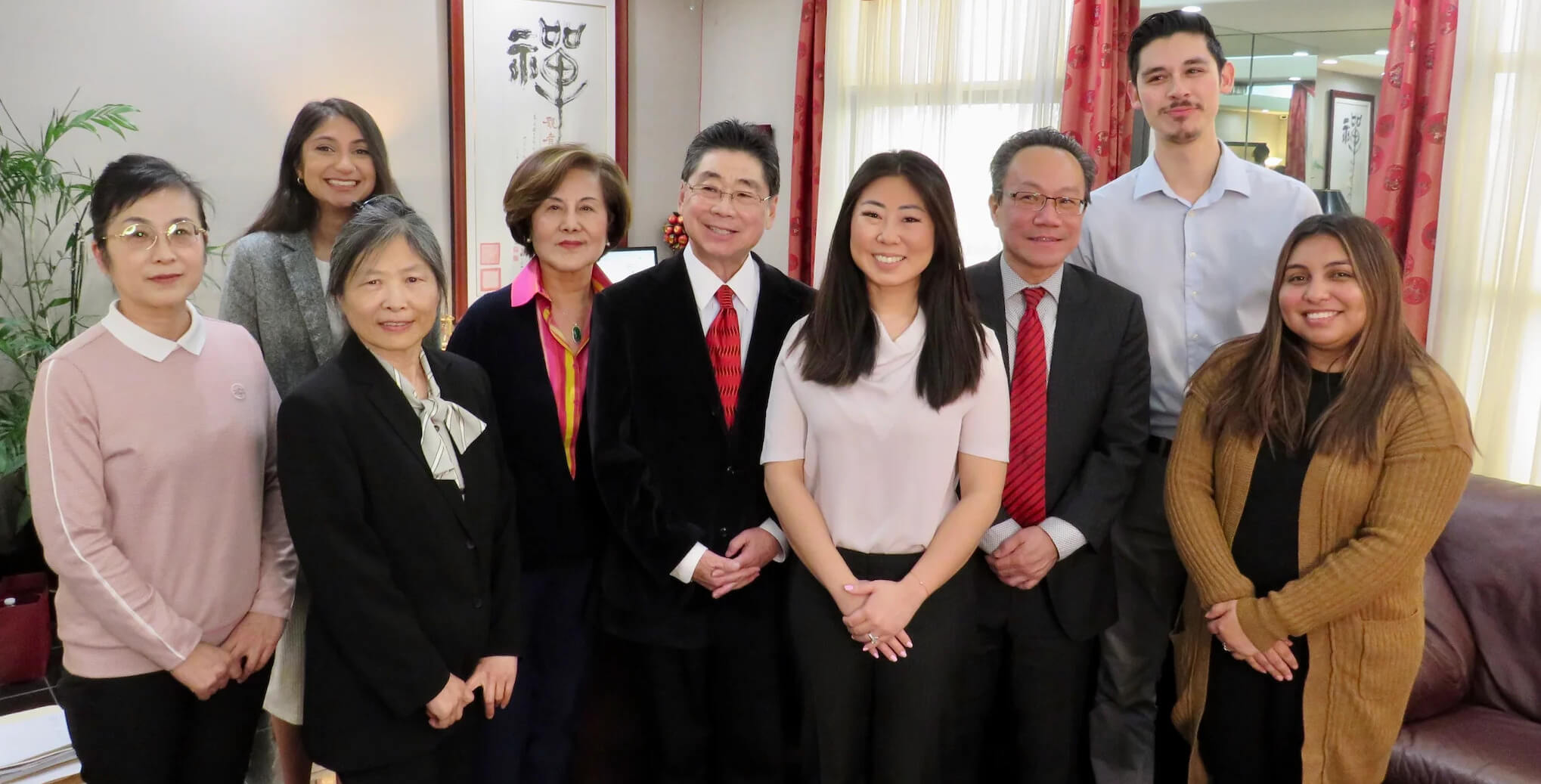
Why Choose Us?
-

Unmatched Expertise
Trust in Peter Chu's 75+ years of collective experience to guide you through complex immigration matters.
-

Tailored Solutions
Our personalized strategies adapt to your unique circumstances, ensuring we meet your specific immigration needs.
-

Proven Success
Benefit from our solid track record in achieving favorable outcomes in various immigration cases across San Diego.
-

Dedicated Service
Experience our client-first approach that ensures constant support and guidance throughout your immigration journey.


Get clear, expert legal guidance tailored to your visa, green card, or citizenship needs.

Inquire now to check if you qualify
Choosing the Right Spouse Visa Pathway in La Habra
La Habra families have three primary options for reuniting with a foreign spouse: K-3 nonimmigrant visa, direct immigrant visa (IR-1/CR-1), or adjustment of status if the spouse is already in the United States. Each pathway has distinct timelines, costs, and procedural requirements. Many couples default to the option their online research highlighted first, without comparing total processing time or evaluating whether their specific circumstances favor one route over another.
Here's the honest answer: K-3 visas were more advantageous in the early 2000s when immigrant visa processing took 2–3 years and K-3 provided a faster reunion option. Today, with immigrant visa processing averaging 12–18 months and K-3 processing itself taking 9–15 months, many couples find that waiting for the immigrant visa avoids the cost and complexity of filing two separate applications (K-3 entry plus later adjustment of status). K-3 remains beneficial when the I-130 is stuck in administrative processing, when the foreign spouse is in a country with exceptionally long consular wait times, or when family circumstances require reunion within a specific narrow window. A qualified attorney evaluates current USCIS and consular processing times, your I-130 priority date, and your family's specific timeline needs before recommending a pathway.
| Pathway | Typical Timeline (2026) | Work Authorization | Professional Assessment |
|---|---|---|---|
| K-3 Visa | 9–15 months (I-129F + consular) + 12–18 months (adjustment after entry) | Requires separate EAD filing after entry (3–5 months) | Best for families with pending I-130 who cannot wait for immigrant visa and need interim reunion |
| Immigrant Visa (IR-1/CR-1) | 12–24 months (I-130 approval + NVC + consular processing) | Immediate upon entry as permanent resident | Best for most couples. Single-step process, no adjustment of status required later |
| Adjustment of Status | 12–18 months (if spouse already in U.S. legally) | Can file concurrent EAD (work permit in 3–5 months) | Best if spouse is already in U.S. on valid status. No consular processing required |
| Self-Filing Without Counsel | Variable. High RFE rate extends timeline by 3–6 months | Same as above but with procedural delays | High risk of procedural errors, missing evidence, and avoidable delays that extend family separation |
Frequently Asked Questions
Find answers to common questions about our services
-
K-3 visa processing for La Habra residents typically takes 9–15 months from Form I-129F filing to consular interview completion, though timelines vary significantly based on USCIS California Service Center workload and the specific U.S. embassy or consula
-
Filing Form I-129F for K-3 status requires proof of U.S. citizenship (passport or birth certificate), a valid marriage certificate with certified English translation if issued in a foreign language, evidence of termination of any prior marriages (divorce
-
No. K-3 visa holders are not automatically authorized to work upon entry. Your spouse must file Form I-765 (Application for Employment Authorization Document) after arrival in La Habra, which requires a separate filing fee and USCIS adjudication. Current
-
If USCIS approves your I-130 immigrant petition and forwards it to the National Visa Center before your K-3 petition (Form I-129F) is approved, USCIS will typically administratively close the K-3 case, as the immigrant visa pathway is now available and pr
-
USCIS does not require attorney representation for K-3 petitions, and many couples attempt self-filing to save costs. However, K-3 cases have a high Request for Evidence (RFE) rate. Particularly for insufficient proof of bona fide marriage, missing transl
-
Yes. Unmarried children under 21 of your K-3 spouse are eligible for K-4 derivative visas, which allow them to accompany or follow-to-join the principal K-3 beneficiary. Each child must be listed on the original Form I-129F or added through a separate pet
-
A K-3 visa is a nonimmigrant visa that allows your foreign spouse to enter the United States temporarily while the immigrant visa (I-130) is pending. K-3 holders must later file for adjustment of status (Form I-485) to obtain a green card. A CR-1 (conditi
-
Attorney fees for K-3 petition preparation and filing in La Habra typically range from $1,500 to $3,500 depending on case complexity, whether the I-130 is already filed, and whether consular interview preparation is included. Government filing fees are se
Need Personalized Immigration Guidance?

