
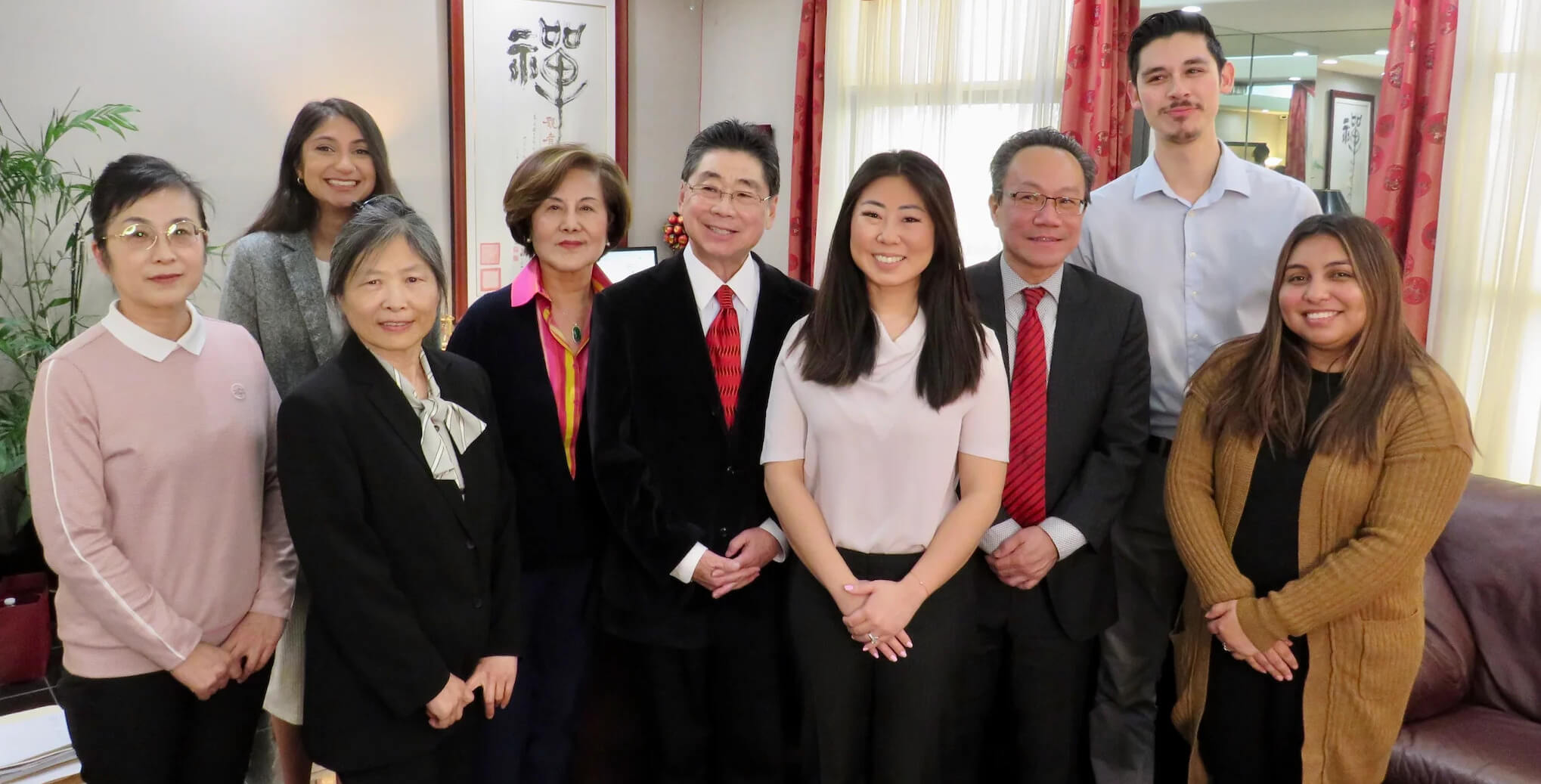
Why Choose Us?
-

Unmatched Expertise
Trust in Peter Chu's 75+ years of collective experience to guide you through complex immigration matters.
-

Tailored Solutions
Our personalized strategies adapt to your unique circumstances, ensuring we meet your specific immigration needs.
-

Proven Success
Benefit from our solid track record in achieving favorable outcomes in various immigration cases across San Diego.
-

Dedicated Service
Experience our client-first approach that ensures constant support and guidance throughout your immigration journey.


Get clear, expert legal guidance tailored to your visa, green card, or citizenship needs.

Inquire now to check if you qualify
K-3 Visa vs. CR-1/IR-1 Immigrant Visa vs. DIY Petition: Which Path Works for Milpitas Families?
Milpitas couples navigating spouse immigration have three primary options: the K-3 nonimmigrant visa, the CR-1/IR-1 immigrant visa processed directly at a consulate, or filing I-129F and I-130 petitions without attorney representation. Each path has trade-offs in processing time, work authorization timing, and legal risk. Here's the honest answer: the K-3 visa is no longer the default choice it was a decade ago. For most couples, the CR-1 immigrant visa route results in faster permanent residence and earlier unrestricted work authorization, because K-3 visa holders still need to file I-485 adjustment of status after entering the U.S., adding months of processing and filing fees. The K-3 remains useful only in narrow scenarios: when the I-130 is severely delayed, when the beneficiary spouse needs to enter the U.S. urgently for family reasons, or when the consular post has unusually long CR-1 interview backlogs. DIY petitions save attorney fees but carry higher risk of RFEs, denials due to incomplete evidence, and costly re-filing. The cost of a denied petition (in time, fees, and emotional toll) typically exceeds the cost of legal representation upfront.
| Option | Processing Time | Work Authorization | Professional Assessment |
|---|---|---|---|
| K-3 Visa (I-129F) | 6–12 months to U.S. entry, then I-485 adjustment (~12–18 months more) | EAD available ~3–5 months after I-485 filing | Use only if I-130 severely delayed or urgent U.S. entry needed |
| CR-1/IR-1 Immigrant Visa | 12–18 months total to U.S. entry with green card in hand | Work authorized immediately upon U.S. entry | Preferred route for most couples. Faster to permanent residence |
| DIY Petition (No Attorney) | Same timelines, but higher RFE/denial risk | Same, if approved | High risk for couples with complex evidence or prior immigration issues |
| Law Office of Peter Darwin Chu | Same government timelines, but documentation review minimizes RFE risk | Same, with EAD filing strategy optimized | Best value for couples prioritizing approval certainty and timeline efficiency |
Frequently Asked Questions
Find answers to common questions about our services
-
K-3 visa processing involves three stages: USCIS adjudication of Form I-129F (4–8 months), National Visa Center case processing (1–2 months), and consular interview scheduling and visa issuance (1–4 months depending on the embassy). Total time from I-129F
-
No, K-3 visa holders are not automatically work-authorized upon entry. You must file Form I-765 (Application for Employment Authorization) concurrently with or after filing Form I-485 (adjustment of status application), and USCIS typically issues an Emplo
-
A K-1 visa is for foreign fiancé(e)s who are not yet married to the U.S. citizen petitioner. The marriage must occur within 90 days of U.S. entry. A K-3 visa is for foreign spouses who are already legally married to the U.S. citizen petitioner. Both requi
-
If your I-130 immigrant petition is approved while your K-3 visa case is still being processed at the consulate, you have the option to proceed with CR-1/IR-1 immigrant visa processing instead of completing the K-3 application. In most cases, this is adva
-
Yes, but only with advance parole. K-3 visa holders who file Form I-485 (adjustment of status) lose their ability to re-enter the U.S. on the original K-3 visa after departing. Any international travel without an approved advance parole document (Form I-1
-
Attorney fees for K-3 visa representation typically range from $2,500 to $5,000 depending on case complexity, whether the I-130 petition is handled concurrently, and whether adjustment of status services are included. Government filing fees are separate:
-
USCIS and consular officers evaluate marriage validity based on evidence demonstrating shared life, financial interdependence, and ongoing relationship. Required evidence includes: original marriage certificate (certified and translated if not in English)
-
Yes, unmarried children under 21 of the K-3 principal beneficiary can apply for K-4 derivative visas and accompany or follow to join you in the U.S. K-4 visa holders have the same work authorization restrictions as K-3 holders. They must file Form I-765 a
Need Personalized Immigration Guidance?

