
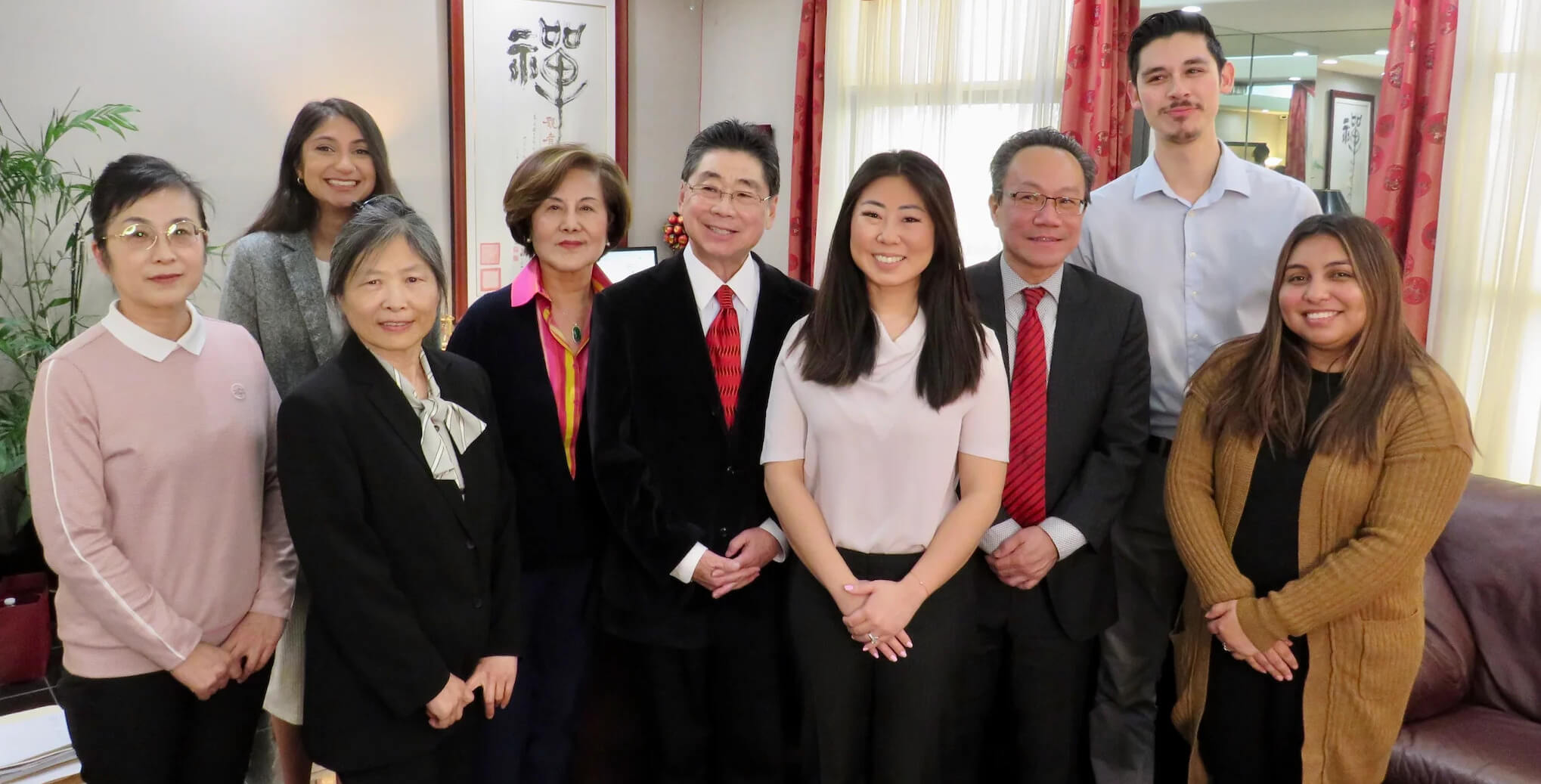
Why Choose Us?
-

Unmatched Expertise
Trust in Peter Chu's 75+ years of collective experience to guide you through complex immigration matters.
-

Tailored Solutions
Our personalized strategies adapt to your unique circumstances, ensuring we meet your specific immigration needs.
-

Proven Success
Benefit from our solid track record in achieving favorable outcomes in various immigration cases across San Diego.
-

Dedicated Service
Experience our client-first approach that ensures constant support and guidance throughout your immigration journey.


Get clear, expert legal guidance tailored to your visa, green card, or citizenship needs.

Inquire now to check if you qualify
K-3 Visa vs. Direct Consular Processing vs. Adjustment of Status
Santa Monica couples navigating spouse immigration have three potential pathways, each with different timelines and legal requirements. Here's the honest answer: the K-3 category was created in 2000 to reduce separation time when I-130 processing took years, but improvements in USCIS efficiency have made K-3 less advantageous in many cases. Today it often functions as a fallback or psychological reassurance rather than a faster route. The decision depends on your I-130 approval timeline, your spouse's current location, and whether consular processing or adjustment is available.
| Pathway | Timeline | Key Advantage | Bottom Line |
|---|---|---|---|
| K-3 Spouse Visa | 8–18 months (I-129F + consular) | Allows entry before I-130 fully processed; work authorization available after entry | Best if: I-130 is pending but not yet approved, and couple cannot tolerate additional separation. Overlap with I-130 approval often makes this moot. |
| Direct I-130 Consular Processing | 10–16 months (I-130 approval + NVC + consular interview) | Spouse enters as immediate permanent resident (CR-1/IR-1); no subsequent adjustment filing required | Best if: couple can wait for full I-130 processing; consular path is procedurally cleaner and results in green card at entry rather than after adjustment. |
| Adjustment of Status (I-485) | 8–14 months (if spouse already in U.S. on valid status) | No consular interview abroad required; spouse remains in U.S. throughout process | Best if: spouse is already lawfully present in U.S. and I-130 visa number is immediately available; avoids travel and consular unpredictability. |
| Do-It-Yourself Filing | Variable; high RFE and denial rates without legal review | Zero attorney fees upfront | Risk: Missing documents, incorrect forms, or insufficient evidence of bona fide marriage intent result in denials that require refiling and further delay. Often costing more in lost time than attorney fees would have. |
Frequently Asked Questions
Find answers to common questions about our services
-
The K-3 process timeline averages 8 to 18 months from I-129F filing to consular visa issuance, depending on USCIS processing speed, National Visa Center transfer time, and consular appointment availability at the U.S. embassy in your spouse's country. San
-
Yes. K-3 visa holders are eligible to apply for work authorization by filing Form I-765 (Application for Employment Authorization) immediately upon entry to the United States. USCIS typically approves K-3 work permits within 3 to 5 months of filing, allow
-
A K-3 visa is a nonimmigrant visa that allows a foreign spouse to enter the U.S. while an I-130 immigrant petition is pending. The spouse must later file for adjustment of status (I-485) to obtain permanent residence. A CR-1 visa (Conditional Resident spo
-
USCIS does not require attorney representation for K-3 petitions, and the forms themselves (I-129F, DS-160) are publicly available. However, immigration attorneys reduce the risk of denials and delays caused by incomplete evidence of bona fide marriage, i
-
K-3 visas are initially valid for two years, but K-3 status inside the United States is extended indefinitely as long as a timely-filed I-485 adjustment of status application is pending. If your I-485 is filed before your K-3 status expires, you remain in
-
Yes, but only with advance parole authorization (Form I-131) approved by USCIS before departure. If you leave the United States after filing I-485 but before receiving advance parole approval, USCIS will consider your adjustment application abandoned, and
-
The U.S. citizen petitioner must demonstrate income at or above 125% of the federal poverty guideline for their household size under Form I-864 (Affidavit of Support) requirements, even though the I-864 is technically filed at the consular stage rather th
-
The K-3 visa category has declined in utility since 2000 due to significantly faster I-130 processing times. Many I-130 petitions are now approved before the I-129F K-3 petition would be, making the K-3 redundant. In 2026, K-3 filings are most appropriate
Need Personalized Immigration Guidance?

