
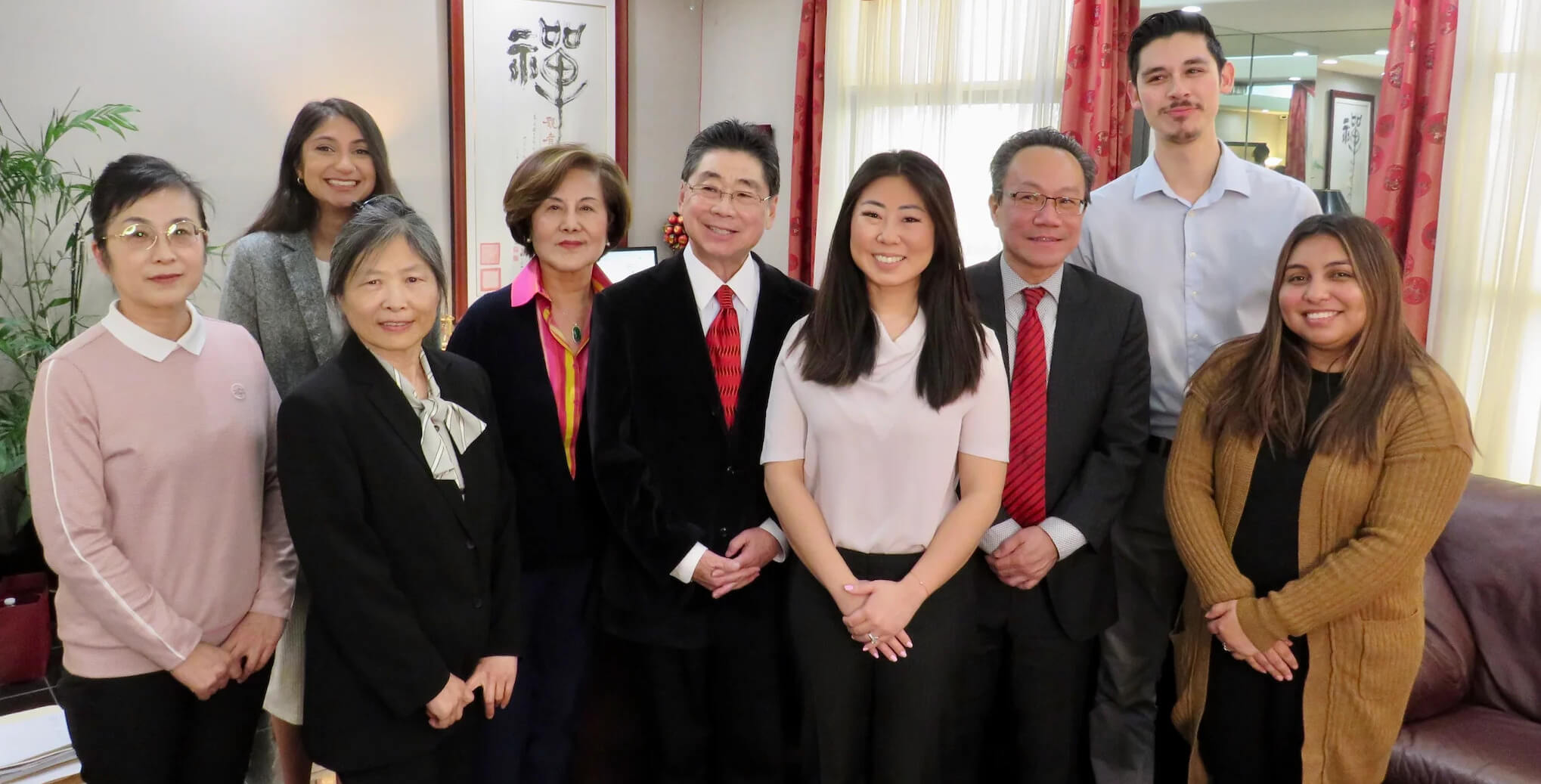
Why Choose Us?
-

Unmatched Expertise
Trust in Peter Chu's 75+ years of collective experience to guide you through complex immigration matters.
-

Tailored Solutions
Our personalized strategies adapt to your unique circumstances, ensuring we meet your specific immigration needs.
-

Proven Success
Benefit from our solid track record in achieving favorable outcomes in various immigration cases across San Diego.
-

Dedicated Service
Experience our client-first approach that ensures constant support and guidance throughout your immigration journey.


Get clear, expert legal guidance tailored to your visa, green card, or citizenship needs.

Inquire now to check if you qualify
K-3 Visa vs. Direct Consular Processing vs. CR-1 Immigrant Visa: What Tulare Families Should Know
Tulare families sponsoring a foreign spouse face three common pathways: filing a K-3 nonimmigrant visa (allowing the spouse to enter the U.S. while the I-130 immigrant petition is pending), pursuing direct consular processing of the I-130 without a K-3 (resulting in immediate permanent residence upon entry), or filing a CR-1 immigrant visa petition from the start (which is the same as I-130 consular processing but emphasizes the conditional two-year green card for marriages under two years old). Each has different timelines, costs, and work authorization implications.
Here's the honest answer: the K-3 visa has become largely obsolete since USCIS policy changes in 2021 reduced I-130 processing times. In most cases, waiting for direct CR-1/I-130 consular processing is now faster and cheaper than filing a separate K-3 petition, because the K-3 requires duplicative filings (both I-129F and I-130) and the foreign spouse must still adjust status after entry. The K-3 is now useful only in narrow scenarios where the I-130 is delayed by administrative processing or the U.S. sponsor has an urgent need for the spouse to be physically present in the U.S. before permanent residence is available. For most Tulare families, filing the CR-1 directly and waiting for consular processing results in faster permanent residence, immediate work authorization upon entry, and lower total legal fees.
| Pathway | Timeline to U.S. Entry | Work Authorization | Cost | Professional Assessment |
|---|---|---|---|---|
| K-3 Visa | 12–18 months (I-129F + consular processing) | Requires separate I-765 filing after entry; 3–5 month wait | I-129F fee + I-130 fee + adjustment fee ($2,500+ total) | Obsolete in most cases. Use only if I-130 is significantly delayed |
| CR-1/I-130 Direct Consular | 12–16 months (I-130 + NVC + consular) | Immediate upon entry with green card | I-130 fee + NVC fee ($1,500–$2,000 total) | Preferred path for most families. Faster permanent residence, lower cost |
| Tourist Visa + Adjustment | 3–6 months (visitor entry) + 12–18 months (adjustment) | 3–5 months after I-485 filing | I-130 + I-485 + I-765 ($2,500+ total) | Risky. Requires proving no intent to immigrate at entry; USCIS scrutinizes heavily |
Frequently Asked Questions
Find answers to common questions about our services
-
Current K-3 processing timelines for Tulare, CA applicants average 12–18 months from I-129F filing to visa issuance, broken into three phases: USCIS adjudication of Form I-129F (6–9 months), National Visa Center processing and case transfer to the foreign
-
A complete K-3 petition requires: proof of U.S. citizenship (passport or birth certificate), marriage certificate with certified English translation if issued abroad, proof of bona fide marriage (joint financial accounts, lease agreements, photos, corresp
-
No. K-3 visa holders do not receive automatic work authorization upon entry. They must file Form I-765 (Application for Employment Authorization) after arriving in the U.S., and USCIS typically takes 3–5 months to adjudicate the application and issue an E
-
The K-3 visa itself is valid for two years and allows multiple entries, but once your spouse enters the U.S. on the K-3, they are in K-3 status (not visa validity). K-3 status remains valid as long as the underlying I-130 petition is pending and no final
-
Legally, no. USCIS permits self-filing of both I-130 and I-129F forms. Practically, attorney review becomes valuable if: your I-130 has been pending for over 12 months with no decision, you received a Request for Evidence (RFE) that you do not understand
-
The K-3 is a nonimmigrant visa that allows a foreign spouse to enter the U.S. while their I-130 immigrant petition is pending. They enter in temporary status and must adjust to permanent residence after arrival. The CR-1 (Conditional Resident-1) is an imm
-
Yes. Unmarried children under 21 of the foreign spouse can apply for K-4 visas (derivative of the K-3) and accompany or follow the K-3 visa holder to the United States. The children must be listed on the original Form I-129F petition, and each child requi
-
K-3 attorney fees in Tulare typically range from $2,500 to $4,500 for full representation, covering I-129F preparation, supporting evidence review, consular interview preparation, and adjustment of status filing after entry. This is in addition to USCIS f
Need Personalized Immigration Guidance?

