
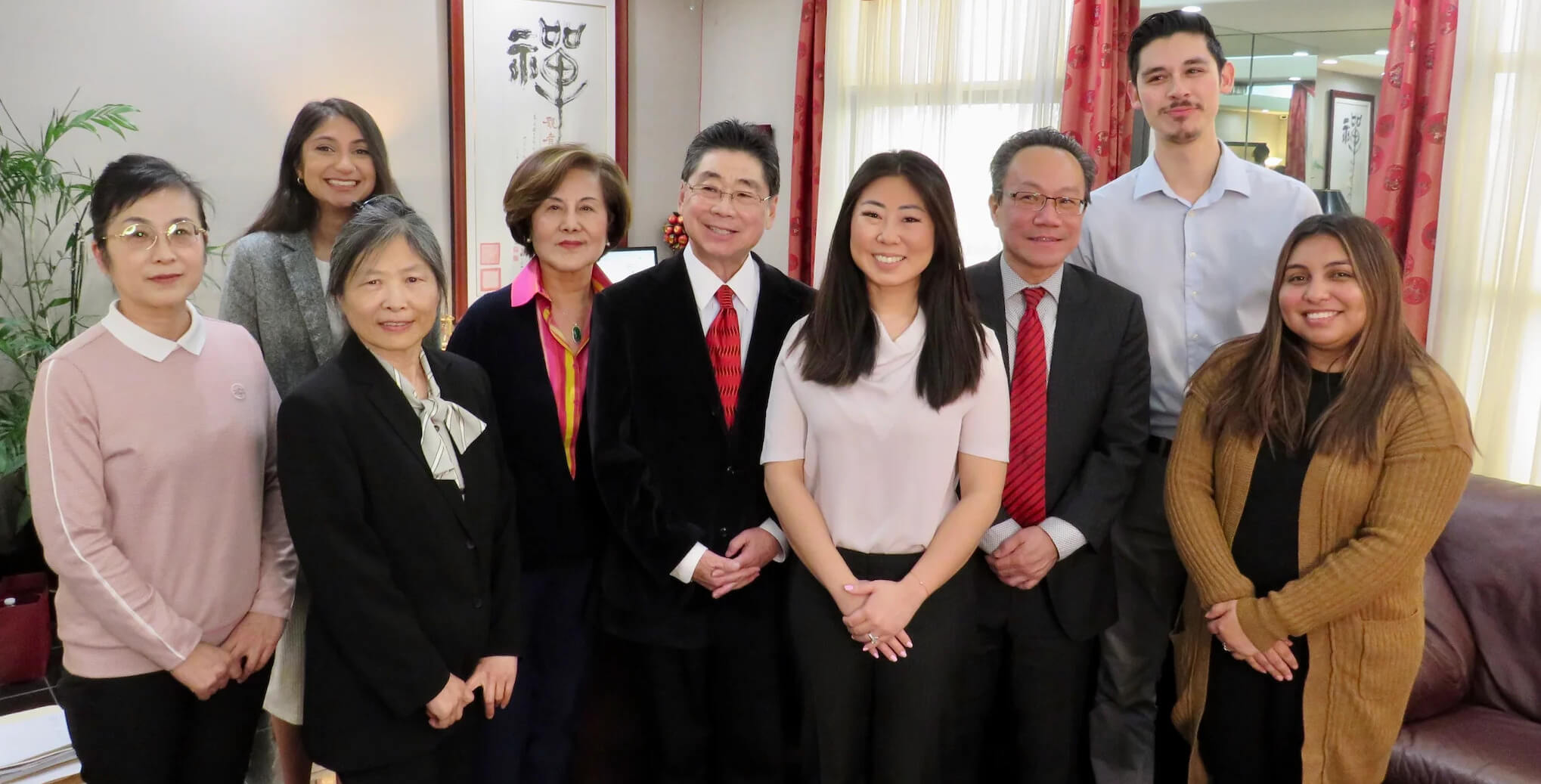
Why Choose Us?
-

Unmatched Expertise
Trust in Peter Chu's 75+ years of collective experience to guide you through complex immigration matters.
-

Tailored Solutions
Our personalized strategies adapt to your unique circumstances, ensuring we meet your specific immigration needs.
-

Proven Success
Benefit from our solid track record in achieving favorable outcomes in various immigration cases across San Diego.
-

Dedicated Service
Experience our client-first approach that ensures constant support and guidance throughout your immigration journey.


Get clear, expert legal guidance tailored to your visa, green card, or citizenship needs.

Inquire now to check if you qualify
K-3 Spouse Visa vs. CR-1 Immigrant Visa vs. Visitor Visa Extension in Tustin
Tustin families pursuing spouse reunification face three common pathways: the K-3 nonimmigrant spouse visa, the CR-1/IR-1 immigrant visa processed abroad, and attempting to extend a visitor visa or adjust status if the spouse is already in the U.S. Here's the honest answer: the K-3 visa was designed to bridge the gap when immigrant visa processing took 18–24 months, but current CR-1 processing times in many consular districts have shortened to 12–14 months, making K-3 less advantageous than it was a decade ago. That said, K-3 still provides a faster reunification option in consular districts with backlogs (Manila, Guangzhou, and certain Latin American posts) and allows work authorization immediately upon U.S. entry. Visitor visa extensions are not a substitute for a formal spouse visa. Overstaying or working without authorization creates bars to future immigration benefits.
| Pathway | Timeline to U.S. Entry | Work Authorization | Professional Assessment |
|---|---|---|---|
| K-3 Spouse Visa | 9–15 months (petition + consular) | Immediate upon entry + EAD filing | Best for high-backlog consulates; allows faster reunification and work auth |
| CR-1/IR-1 Immigrant Visa | 12–18 months (direct to green card) | Immediate upon entry (green card) | Best if timing difference is minimal; avoids adjustment step |
| Visitor Visa Extension | Already in U.S. (if applicable) | Not authorized | Not a spouse visa pathway; creates overstay risk if misused |
| Adjustment of Status (if in U.S.) | 10–14 months (if eligible) | 3–5 months after I-765 filing | Best if spouse entered lawfully and I-130 approved; avoids consular processing |
Frequently Asked Questions
Find answers to common questions about our services
-
K-3 processing times for Tustin families depend on two stages: USCIS adjudication of the I-129F petition (currently 6–9 months) and consular processing at the U.S. embassy or consulate abroad (3–6 months). Total timeline from petition filing to U.S. entry
-
Yes. K-3 visa holders are eligible to apply for work authorization (Form I-765) immediately upon entering the United States. USCIS typically adjudicates K-3 employment authorization applications within 3–5 months of filing. Once the Employment Authorizati
-
A K-3 visa is a nonimmigrant visa that allows your spouse to enter the U.S. while the immigrant visa (CR-1/IR-1) petition is still pending. It does not grant permanent residence upon entry, and the beneficiary must file for adjustment of status after arri
-
Legal fees for K-3 spouse visa representation in Tustin typically range from $2,500 to $4,500, depending on case complexity, consular district, and whether the case requires RFE responses or expedite requests. USCIS filing fees for the I-129F petition are
-
Yes. You can file a K-3 petition (Form I-129F) at any time after the I-130 immigrant petition has been filed, even if the I-130 has already been approved. However, if the I-130 has been approved and the case has moved to the National Visa Center for immig
-
If your marriage is legally terminated (through divorce or annulment) before the K-3 visa is issued, the K-3 petition becomes invalid and the visa will not be issued. USCIS and the Department of State require that the marriage be legally intact at the tim
-
Yes. K-3 visa petitioners must submit Form I-134 Affidavit of Support at the consular interview stage, demonstrating that the U.S. citizen spouse has sufficient income or assets to support the beneficiary at 100% of the federal poverty guideline for house
-
K-3 visa holders can travel outside the United States, but they must obtain advance parole (Form I-131) before departure to ensure they can return while their adjustment of status application is pending. Traveling without advance parole can be considered
Need Personalized Immigration Guidance?

