
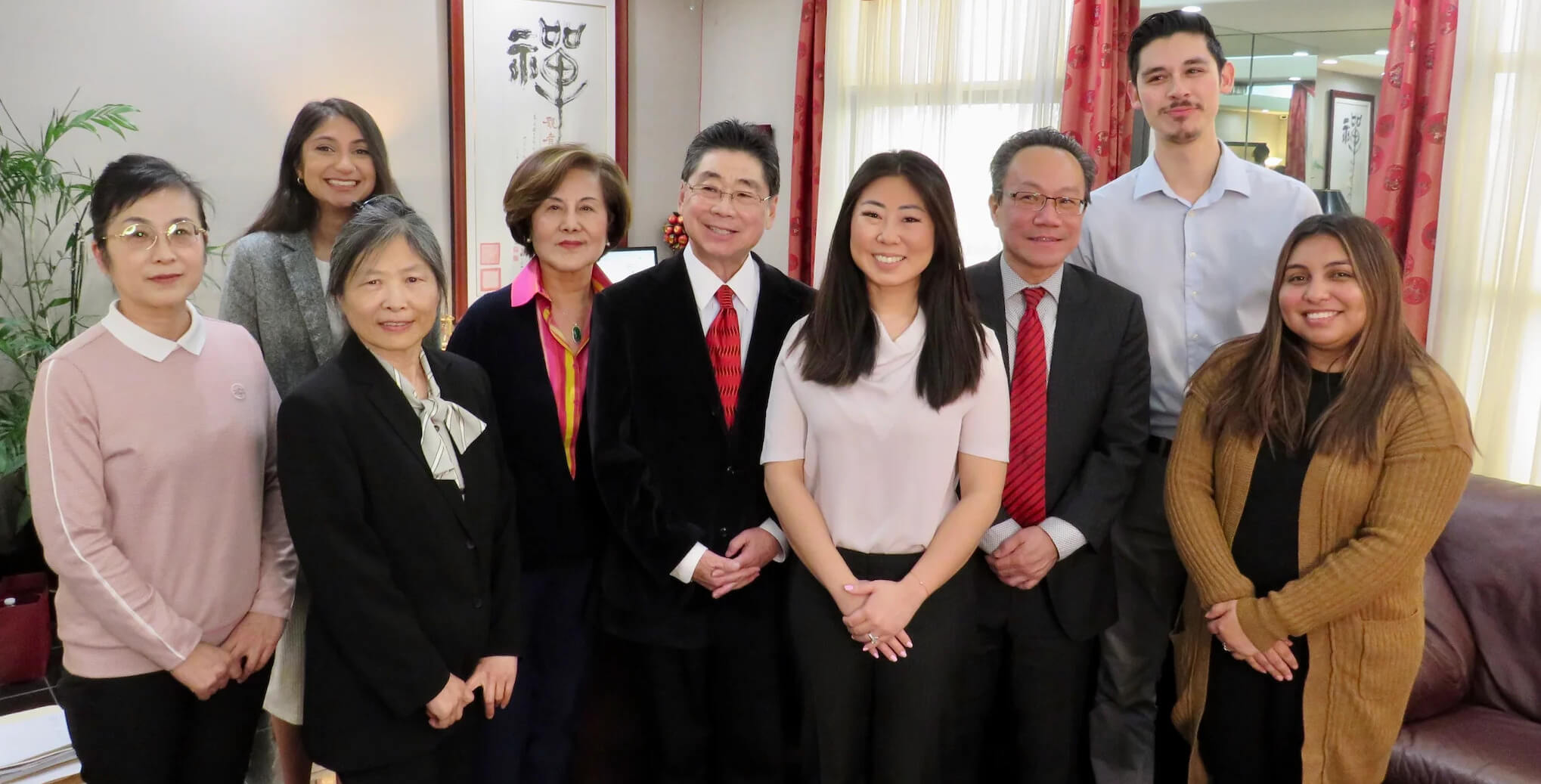
Why Choose Us?
-

Unmatched Expertise
Trust in Peter Chu's 75+ years of collective experience to guide you through complex immigration matters.
-

Tailored Solutions
Our personalized strategies adapt to your unique circumstances, ensuring we meet your specific immigration needs.
-

Proven Success
Benefit from our solid track record in achieving favorable outcomes in various immigration cases across San Diego.
-

Dedicated Service
Experience our client-first approach that ensures constant support and guidance throughout your immigration journey.


Get clear, expert legal guidance tailored to your visa, green card, or citizenship needs.

Inquire now to check if you qualify
How K-3 Spouse Visa Representation in Whittier Compares to Alternatives
Whittier families have three primary options when pursuing K-3 spouse visas: full-service immigration attorney representation, online legal document services (LegalZoom, Boundless), and pro se (self-filing) using USCIS instructions. Online services cost $500–$1,500 but offer no legal advice, no consular interview preparation, and no representation if USCIS issues a Request for Evidence or denial. Pro se filing saves attorney fees but exposes petitioners to procedural errors that delay adjudication. USCIS does not provide filing advice or correct mistakes before issuing denials. Here's the honest answer: K-3 cases are among the most procedurally complex family-based visa categories, with declining approval rates as USCIS prioritizes direct I-130 consular processing. An experienced k-3 spouse visa whittier attorney adds the most value in cases where the petitioner has prior immigration violations, the marriage is recent (less than 2 years), or the beneficiary has prior visa denials. Scenarios where a single documentation error can result in multi-year delays or permanent bars to entry.
| Approach | Legal Advice | Consular Prep | RFE Response | Cost Range | Professional Assessment |
|---|---|---|---|---|---|
| Immigration Attorney | Full case strategy and petition review | Interview preparation and document briefing | Attorney-drafted responses with legal argument | $3,500–$5,500 | Best for complex cases, prior denials, or high-stakes timelines |
| Online Document Service | None. Form completion only | Generic checklists, no interview coaching | Customer support refers you to attorney | $500–$1,500 | Suitable only for straightforward cases with no complicating factors |
| Pro Se (Self-Filing) | USCIS instructions only | None | Petitioner must research and draft own response | $0 (USCIS fees only) | High risk. Procedural errors are common and costly in K-3 cases |
Frequently Asked Questions
Find answers to common questions about our services
-
K-3 processing timelines from Whittier typically range from 6 to 12 months from Form I-129F filing to consular interview, though current USCIS processing times and consular workload at the beneficiary's country of origin significantly affect actual timeli
-
A K-3 visa is a nonimmigrant visa allowing a foreign spouse to enter the U.S. while an I-130 immigrant visa petition is pending, with the intention of adjusting status to permanent residence after entry. An IR-1 visa is an immigrant visa that grants perma
-
Yes, but only after receiving work authorization. K-3 visa holders must file Form I-765 (Application for Employment Authorization) after entering the United States, and USCIS typically issues an Employment Authorization Document (EAD) within 3–5 months of
-
K-3 petitions require Form I-129F, proof of a valid marriage (certified marriage certificate with translation if needed), proof that an I-130 petition has been filed (I-130 receipt notice), passport-style photos, and evidence of the U.S. petitioner's citi
-
If the I-130 immigrant visa petition is approved before the K-3 visa is issued, the K-3 case is typically terminated and the beneficiary proceeds directly with immigrant visa processing through the National Visa Center and consular interview. This outcome
-
USCIS does not require attorney representation for K-3 petitions, and many couples successfully file pro se using official instructions. However, K-3 cases involve complex procedural coordination between I-130 and I-129F petitions, consular processing in
-
Yes. Unmarried children under 21 of the K-3 beneficiary are eligible for K-4 derivative visas, allowing them to accompany or follow-to-join the K-3 parent. The children must be listed on the original Form I-129F or added through consular processing. K-4 c
-
The most common K-3 visa denial reasons include failure to demonstrate a bona fide marriage (insufficient evidence of joint life, cohabitation, or financial intermingling), inadmissibility grounds under INA Section 212(a) such as prior immigration violati
Need Personalized Immigration Guidance?

