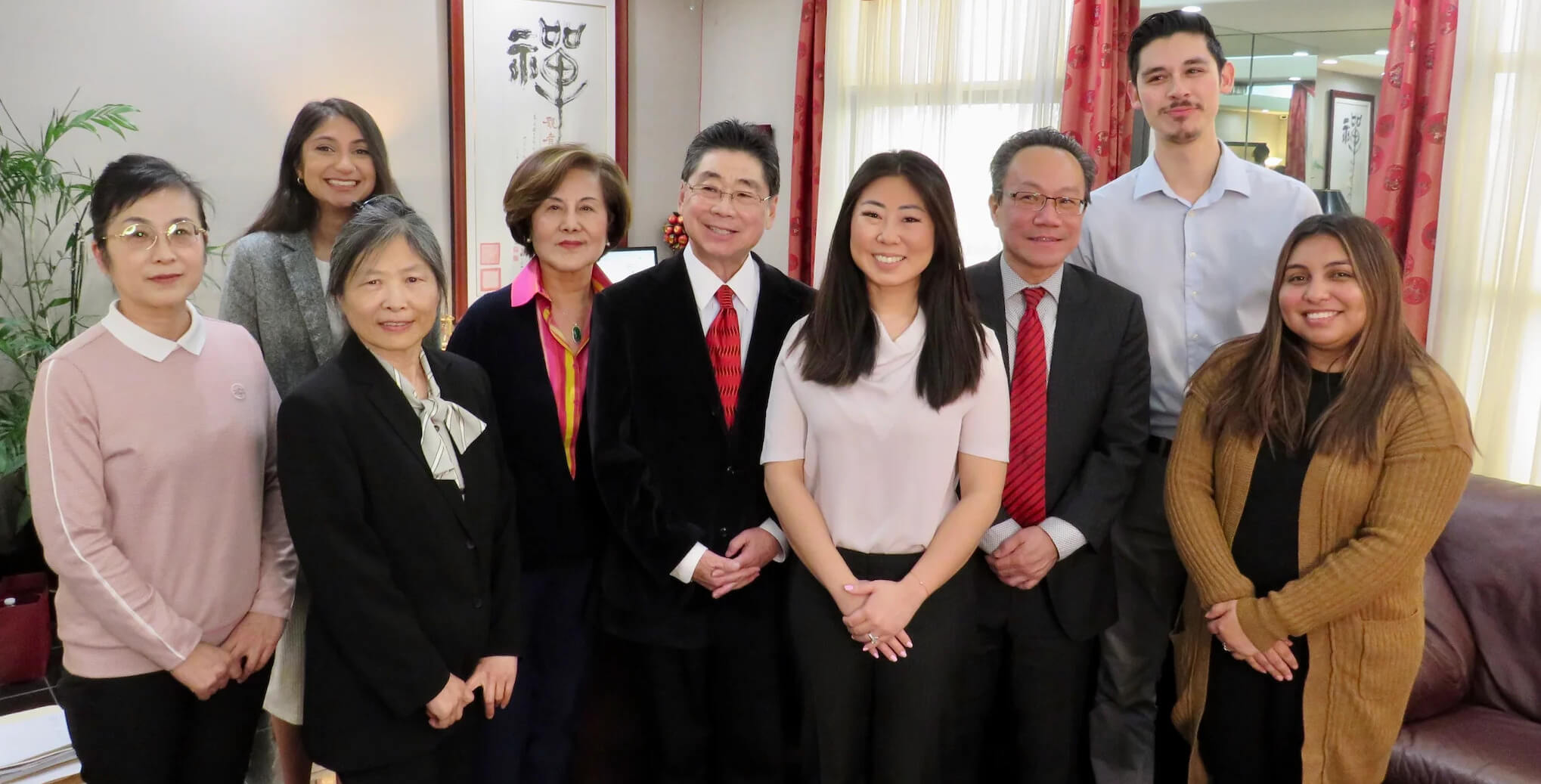

Why Choose Us?

  • Unmatched Expertise

    Trust in Peter Chu's 75+ years of collective experience to guide you through complex immigration matters.

  • Tailored Solutions

    Our personalized strategies adapt to your unique circumstances, ensuring we meet your specific immigration needs.

  • Proven Success

    Benefit from our solid track record in achieving favorable outcomes in various immigration cases across San Diego.

  • Dedicated Service

    Experience our client-first approach that ensures constant support and guidance throughout your immigration journey.

Charlotte processed over 8,200 family-based visa applications through the Charlotte USCIS field office in 2024, making it one of North Carolina's busiest immigration hubs. And a jurisdiction where K-3 spouse visa timeline precision can mean the difference between months of separation and family reunification before the year ends. For Charlotte residents navigating K-3 spouse visa Charlotte petitions, the procedural complexity of dual-track processing (I-130 immigrant petition and I-129F nonimmigrant petition filed simultaneously) requires counsel who understands both USCIS Potomac Service Center timelines and consular interview preparation for beneficiaries abroad. Law office of Peter Darwin Chu has guided Charlotte, NC families through K-3 petitions since 2010, with experience in cases involving prior visa denials, complex financial sponsorship scenarios, and expedited processing requests.

Book a Consultation

Law office of Peter Darwin Chu provides K-3 lawyer Charlotte services to North Carolina residents filing nonimmigrant spouse visa petitions. Licensed NC immigration counsel serving zip codes 28201 through 28205, with in-person consultations available in Charlotte and virtual case management for clients statewide. Our K-3 representation includes I-129F petition preparation, consular interview coaching, and coordination with pending I-130 immigrant visa applications. We handle cases where spouses are abroad and U.S. citizen petitioners need interim work authorization and travel flexibility during the immigrant visa processing period.

K-3 Lawyer Charlotte Available Across Charlotte and Surrounding Areas

Law office of Peter Darwin Chu represents clients throughout Charlotte and Mecklenburg County. Including Uptown, South End, and NoDa neighborhoods (zip codes 28201, 28202, 28203, 28204, 28205). As well as surrounding communities in Concord, Gastonia, and Rock Hill, SC. All K-3 spouse visa work is performed by NC-licensed immigration attorneys familiar with Charlotte USCIS field office procedures, National Visa Center processing timelines, and consular interview requirements at U.S. embassies worldwide. North Carolina residents with qualifying I-130 petitions pending can pursue K-3 nonimmigrant status regardless of county of residence.

What Charlotte Residents Can Access

K-3 Spouse Visa Charlotte Petition Preparation

The K-3 visa allows foreign spouses of U.S. citizens to enter the United States while their immigrant visa (I-130) application is pending. A critical option when USCIS I-130 processing extends beyond 12–18 months. Charlotte petitioners must file Form I-129F (Petition for Alien Fiancé(e)) after the I-130 is filed but before it is approved, a narrow procedural window that requires precise timing. We prepare the I-129F petition with all supporting documentation (proof of bona fide marriage, financial sponsorship evidence, and consular processing election), track USCIS Potomac Service Center receipt and approval notices, and coordinate National Visa Center case forwarding to the beneficiary's country of residence. K-3 cases filed from Charlotte in 2024 saw average USCIS processing times of 8–11 months before consular interview scheduling.

Immigration Lawyer Charlotte — I-130 and K-3 Dual-Track Strategy

Because the K-3 visa is predicated on a pending I-130 immigrant petition, Charlotte petitioners often benefit from dual-track filing: submit the I-130 first, then file the I-129F K-3 petition weeks later to preserve the fastest adjudication path. If the I-130 approves before the K-3 visa issues, the beneficiary proceeds directly to immigrant visa processing. Making the K-3 a protective filing rather than a guaranteed outcome. We analyze each couple's priority date, country-specific visa bulletin movement, and consular processing wait times to determine whether K-3 filing offers a material timeline advantage. For beneficiaries in countries with slow consular appointment availability (e.g., India, Philippines, China), K-3 petitions filed from Charlotte frequently provide 4–6 month reunification acceleration compared to I-130-only processing.

K-3 Spouse Visa Charlotte Consular Interview Preparation

Once USCIS approves the I-129F K-3 petition, the National Visa Center forwards the case to the U.S. embassy or consulate in the beneficiary's country of residence for visa interview scheduling. Charlotte petitioners often underestimate the consular interview preparation burden: beneficiaries must submit DS-160 nonimmigrant visa applications, undergo medical examinations by panel physicians, and attend interviews where consular officers assess the bona fides of the marriage and the petitioner's financial ability to support the spouse without public assistance. We provide consular interview coaching covering anticipated questions (how the couple met, wedding details, future U.S. residence plans), document organization (original marriage certificate, police certificates, financial sponsor affidavits), and common denial grounds (prior immigration violations, misrepresentation, or insufficient evidence of marital intent). Beneficiaries who attend consular interviews unprepared face Administrative Processing delays of 60–90 days or outright visa denials requiring waiver filings.

Get clear, expert legal guidance tailored to your visa, green card, or citizenship needs.

Licensed Immigration Counsel Serving Charlotte, NC

Law office of Peter Darwin Chu maintains all required North Carolina state bar licenses and professional liability insurance, with immigration law practice authorization under the Rules of Professional Conduct governing attorney advertising and client communication. Our Charlotte K-3 practice operates under federal immigration law (Immigration and Nationality Act § 101(a)(15)(K)) and USCIS policy guidance published in the USCIS Policy Manual Volume 6, Part E. We do not guarantee visa approval outcomes. K-3 adjudications depend on USCIS officer discretion, consular officer evaluation, and beneficiary-specific admissibility factors beyond attorney control. But we do guarantee complete petition preparation, timely filing, and transparent case status communication throughout the 8–14 month K-3 processing timeline.

Inquire now to check if you qualify

What if my I-130 immigrant petition approves before my K-3 visa in Charlotte?

If your I-130 immigrant visa petition approves before the K-3 nonimmigrant visa is issued, USCIS automatically terminates the K-3 petition and your spouse proceeds directly to immigrant visa processing through the National Visa Center. This is the most common outcome in Charlotte K-3 cases filed in 2024–2026, as USCIS I-130 processing times for immediate relative spouses now average 10–13 months. Often faster than the combined I-129F K-3 approval and consular processing timeline. The K-3 filing is not wasted: it serves as a protective measure ensuring your spouse has the fastest available path to a U.S. visa, whether that path ends up being the K-3 nonimmigrant visa or the immigrant visa itself. Charlotte petitioners who filed both petitions simultaneously in 2024 reunified with spouses an average of 3–5 months faster than those who waited for I-130 approval before exploring options.

What if my spouse's home country has extremely long consular wait times — does K-3 still help in Charlotte cases?

K-3 visa Charlotte petitions provide the most significant timeline advantage when the beneficiary resides in a country with consular appointment backlogs exceeding 6 months (e.g., India, Philippines, Nigeria, or Pakistan as of 2024–2025). Because the K-3 is a nonimmigrant visa, some consulates process K-3 cases through separate appointment queues with shorter wait times than immigrant visa interviews. Though this varies by consulate and is not guaranteed. Charlotte petitioners with spouses in high-backlog countries should file the K-3 petition even if I-130 approval seems imminent, as the consular processing phase (not the USCIS approval phase) is often the longest segment of the timeline. If the consulate processes immigrant visas faster than K-3 visas in your spouse's country, you retain the flexibility to withdraw the K-3 application and proceed with the immigrant visa without penalty.

What if I need my spouse to work immediately after arriving in Charlotte on a K-3 visa?

K-3 visa holders are eligible to apply for Employment Authorization Documents (EAD) immediately upon arrival in the United States by filing Form I-765 with USCIS. A critical advantage over immigrant visa holders, who typically wait 60–90 days after U.S. entry before receiving work authorization. Charlotte K-3 beneficiaries who file I-765 applications within 30 days of U.S. arrival receive EADs within 90–120 days as of 2025 processing timelines, allowing them to accept job offers and contribute to household income during the final immigrant visa adjustment period. Your spouse must also file Form I-485 (Application to Register Permanent Residence or Adjust Status) after entering on the K-3 visa to convert from nonimmigrant to immigrant status. The K-3 is a temporary bridge, not a standalone path to a green card. We coordinate all three filings (I-765 work authorization, I-131 advance parole travel document, and I-485 adjustment of status) as a single package to minimize USCIS processing delays.

K-3 Visa vs. Immigrant Visa Processing: Which Path Is Faster for Charlotte Families?

Charlotte petitioners frequently ask whether filing a K-3 spouse visa petition is worth the additional $535 I-129F filing fee when an I-130 immigrant petition is already pending. The answer depends on three variables: current USCIS I-130 processing times, National Visa Center case forwarding speed, and consular appointment availability in the beneficiary's country. Here's the honest answer: as of 2025, I-130 processing times for immediate relative spouses average 10–13 months, meaning many I-130 petitions now approve before K-3 petitions would issue visas. Making the K-3 filing redundant in low-backlog consular districts. However, for beneficiaries in countries where consular interview wait times exceed 6 months (India, Philippines, China, Nigeria), the K-3 petition provides a secondary processing track that has historically resulted in 3–6 month timeline reductions. The strategic value of K-3 filing increases when the U.S. petitioner cannot travel abroad for extended periods, when the couple has young children who would benefit from earlier reunification, or when the immigrant visa petition faces potential delays (complex financial sponsorship, prior immigration violations requiring waivers, or requests for evidence).

FactorI-130 Immigrant Visa OnlyK-3 Spouse Visa (Dual-Track)DIY Filing (No Attorney)Professional Assessment
Total Timeline14–20 months (I-130 + NVC + consular)12–18 months (whichever approves first)18–30 months (common RFEs, delays)K-3 dual-track filing shaves 3–6 months in high-backlog countries; I-130-only is sufficient in low-backlog consulates
Work AuthorizationAvailable 60–90 days after U.S. entryAvailable 90–120 days after K-3 entry (I-765 filing)Often delayed 6+ months due to incomplete I-485 filingsK-3 holders file I-765 immediately upon arrival. Immigrant visa holders wait for I-485 receipt
Cost$675 I-130 + $325 NVC + consular fees$675 I-130 + $535 I-129F + $325 NVC + consular feesSame government fees + risk of refiling after denialK-3 adds $535 upfront but may reduce lost income from delayed spouse arrival
Approval CertaintySingle adjudication path (I-130 only)Dual path. Whichever approves first proceedsHigh denial/RFE rate without legal review (30–40%)Dual-track filing provides redundancy; if I-130 stalls, K-3 may still proceed

Get in touch

Frequently Asked Questions

Find answers to common questions about our services

  • K-3 visa processing for Charlotte petitioners in 2026 averages 12–16 months from I-129F filing to consular visa issuance, broken into three phases: USCIS I-129F adjudication (8–11 months), National Visa Center case forwarding (4–6 weeks), and consular int

  • K-3 visa holders who enter the United States and file Form I-485 (adjustment of status to permanent resident) must obtain advance parole travel authorization (Form I-131) before leaving the U.S.. Otherwise, the I-485 application is automatically abandoned

  • Charlotte petitioners sponsoring K-3 spouse visa applicants must demonstrate household income of at least 125% of the federal poverty guideline for their household size. $24,650 for a two-person household (petitioner + spouse) in 2026. Required financial

  • Filing a K-3 petition does not delay, replace, or interfere with the underlying I-130 immigrant visa petition. The two applications are adjudicated on separate tracks by different USCIS service centers. Charlotte petitioners must file the I-130 first (or

  • The three most common K-3 visa denial reasons at consular interviews are insufficient evidence of bona fide marriage (consular officers suspect marriage fraud when couples cannot describe wedding details, living arrangements, or future plans), failure to

  • K-3 visa beneficiaries can bring unmarried children under age 21 to the United States on derivative K-4 visas, which are processed simultaneously with the principal K-3 application. Charlotte petitioners must list all qualifying children on the Form I-129

  • The K-3 visa is a nonimmigrant visa allowing spouses to enter the U.S. temporarily while the I-130 immigrant petition is pending. K-3 holders must file I-485 adjustment of status after arrival to obtain a green card. The CR-1 visa (conditional resident im

  • K-3 visa petitions do not legally require attorney representation. Charlotte petitioners can file Form I-129F and supporting documents directly with USCIS without counsel. However, K-3 cases involve dual-track petition coordination (I-130 and I-129F filed

Need Personalized Immigration Guidance?

Law office of Peter Darwin Chu provides K-3 lawyer Charlotte services to North Carolina families filing nonimmigrant spouse visa petitions. Licensed immigration counsel serving Charlotte and Mecklenburg County with I-129F preparation, consular interview coaching, and dual-track I-130/K-3 filing strategies tailored to beneficiary country-specific processing timelines.

Related Immigration Services in Charlotte and Beyond

Charlotte families navigating K-3 spouse visa petitions often benefit from reviewing our guidance on IR-1 Spouse Visa (the immigrant visa alternative to K-3), I-751 Lawyer San Diego (removal of conditions on conditional green cards issued to K-3 beneficiaries who adjust status), and Citizenship (naturalization eligibility after three years of marriage to a U.S. citizen). We also represent Charlotte clients pursuing O-1 Visa Lawyer San Diego, Expert H-1 Visa Lawyer San Diego, and E-1 Visa Lawyer San Diego for employment-based nonimmigrant cases. For comprehensive guidance on all family-based visa pathways, explore our Immigrant Visas and Non-immigrant Visas practice areas.

Speak With Us Today