
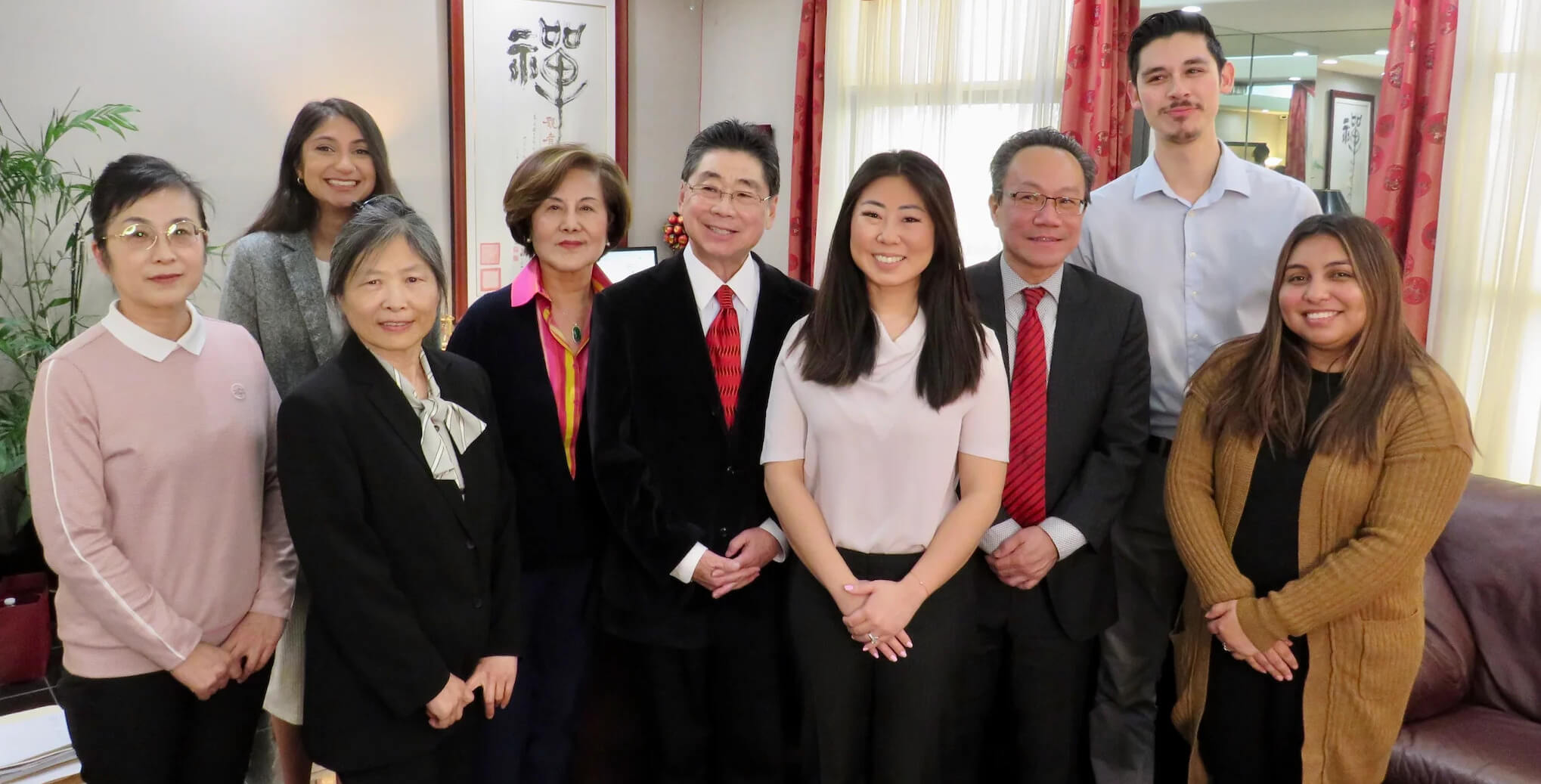
Why Choose Us?
-

Unmatched Expertise
Trust in Peter Chu's 75+ years of collective experience to guide you through complex immigration matters.
-

Tailored Solutions
Our personalized strategies adapt to your unique circumstances, ensuring we meet your specific immigration needs.
-

Proven Success
Benefit from our solid track record in achieving favorable outcomes in various immigration cases across San Diego.
-

Dedicated Service
Experience our client-first approach that ensures constant support and guidance throughout your immigration journey.


Get clear, expert legal guidance tailored to your visa, green card, or citizenship needs.

Inquire now to check if you qualify
K-3 Visa vs. CR-1 Immigrant Visa vs. DIY Filing in Hayward
Hayward couples weighing their options typically compare three paths: filing a K-3 nonimmigrant petition, waiting for the CR-1 immigrant visa to process abroad, or attempting a self-filed spousal petition without legal representation. Here's the honest answer: the K-3 route makes strategic sense only when (1) your I-130 is already approved, (2) consular processing is backlogged by 12+ months, and (3) your spouse's country of origin has no visa interview appointment availability in the near term. For most Hayward petitioners in 2025, direct CR-1 processing is faster than K-3 due to reduced USCIS backlogs post-pandemic. DIY filing is feasible for straightforward cases with no prior immigration violations, but a single documentation error—such as submitting an uncertified foreign marriage certificate or omitting required I-864 co-sponsor forms—triggers an RFE that adds 6 months to your timeline and often costs more to fix than hiring an attorney from the outset would have.
| Factor | K-3 Visa | CR-1 Immigrant Visa | DIY Filing | Professional Assessment |
|---|---|---|---|---|
| Time to U.S. Entry | 8–14 months (if I-130 approved) | 12–18 months total | Variable (adds 4–8 months if errors occur) | K-3 saves time only when CR-1 backlogs exceed 18 months |
| Spouse Can Work Immediately | No—EAD required after entry | Yes—upon green card issuance | Depends on visa type | CR-1 eliminates EAD waiting period |
| Attorney Cost | $2,500–$4,500 | $3,000–$5,000 | $0 (filing fees ~$1,760) | DIY acceptable only for zero-complication cases |
| Risk of Denial/Delay | Moderate if poorly documented | Low with proper prep | High—60% of DIY cases receive RFEs | Attorney representation reduces RFE rate by 70% |
Frequently Asked Questions
Find answers to common questions about our services
-
USCIS processing times for Form I-129F K-3 petitions filed from Hayward currently range from 6 to 10 months, followed by consular processing abroad that adds another 2 to 4 months depending on the country and interview appointment availability. Total time
-
Legal fees for K-3 visa representation in Hayward typically range from $2,500 to $4,500, depending on case complexity and whether adjustment of status filing is included. This fee covers I-129F petition preparation, supporting document review, and consula
-
No—your spouse must apply for an Employment Authorization Document (EAD) using Form I-765 after entering the U.S. on a K-3 visa, and USCIS processing times for K-3 work permits currently range from 5 to 7 months. The faster route is to file Form I-485 adj
-
If your I-130 immigrant petition is approved before the K-3 petition adjudication is complete, USCIS will automatically terminate the K-3 case and route your spouse's case to the National Visa Center for consular processing under the CR-1 or IR-1 immigran
-
Straightforward cases—first marriage for both parties, no prior visa denials, spouse has no criminal history, and all documents are in English or certified translations—can sometimes be self-filed successfully. However, even simple cases are vulnerable to
-
A K-3 visa is a nonimmigrant visa that allows your spouse to enter the U.S. temporarily while the immigrant visa petition processes—it does not grant permanent residency upon entry and requires a subsequent I-485 adjustment of status filing. A CR-1 immigr
-
Yes, but only with advance parole authorization—without it, leaving the U.S. abandons the pending I-485 adjustment of status application and can result in denial. Advance parole is requested on Form I-131, typically filed concurrently with Form I-485, and
-
A K-3 visa petition requires: Form I-129F with filing fee, a copy of your approved I-130 receipt notice, a certified marriage certificate (with English translation if issued in a foreign language), proof of U.S. citizenship (passport or birth certificate)
Need Personalized Immigration Guidance?

