
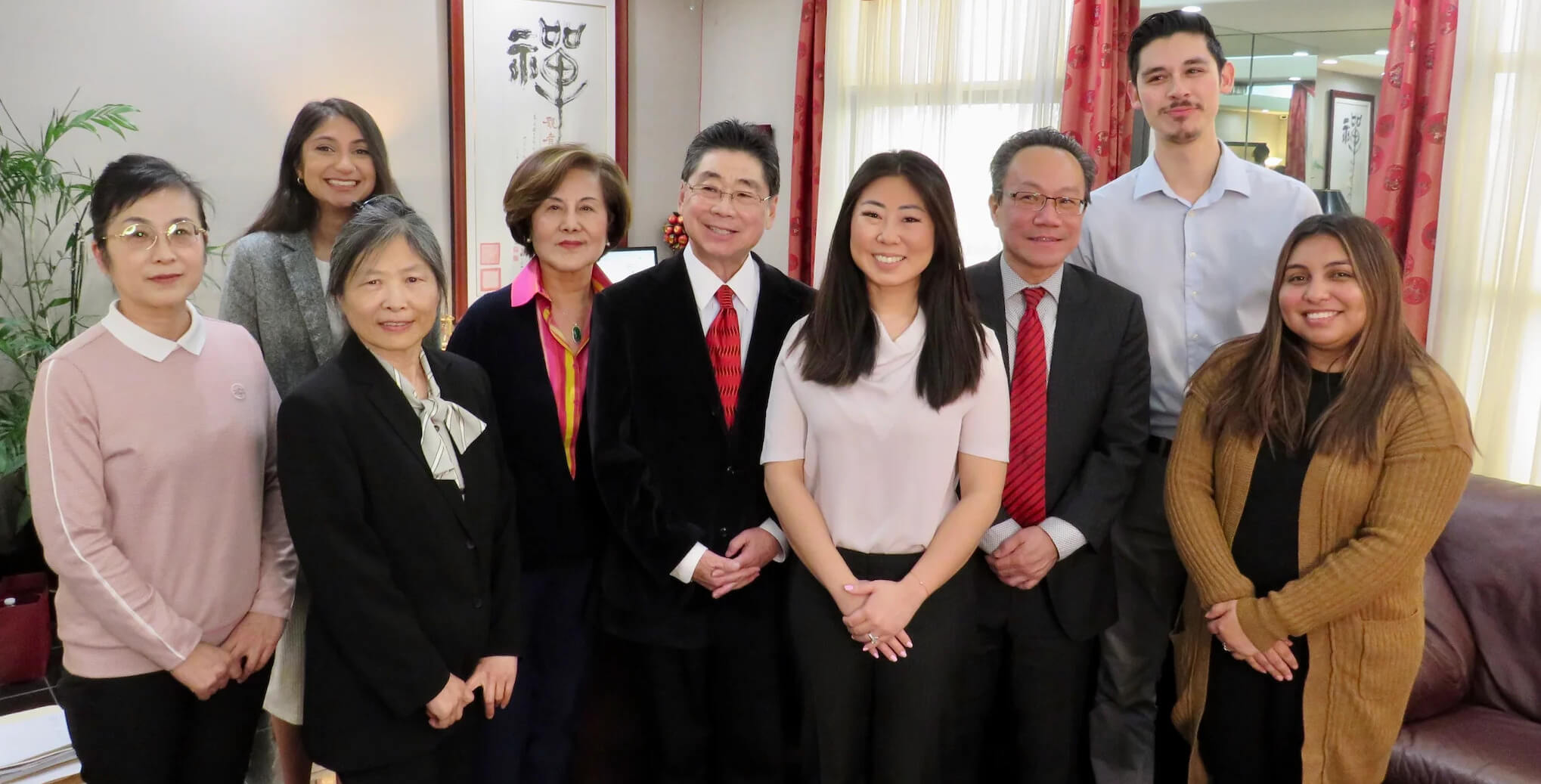
Why Choose Us?
-

Unmatched Expertise
Trust in Peter Chu's 75+ years of collective experience to guide you through complex immigration matters.
-

Tailored Solutions
Our personalized strategies adapt to your unique circumstances, ensuring we meet your specific immigration needs.
-

Proven Success
Benefit from our solid track record in achieving favorable outcomes in various immigration cases across San Diego.
-

Dedicated Service
Experience our client-first approach that ensures constant support and guidance throughout your immigration journey.


Get clear, expert legal guidance tailored to your visa, green card, or citizenship needs.

Inquire now to check if you qualify
K-3 Lawyer Indio vs. Other Immigration Options
Indio residents seeking spousal reunification have several pathways beyond the K-3 nonimmigrant visa, including the CR-1/IR-1 immigrant spouse visa (which grants immediate permanent residence upon entry), adjustment of status for spouses already in the U.S., and the K-1 fiancé visa (if marriage has not yet occurred). Here's the honest answer: the K-3 visa was created in 2000 to expedite spousal reunification when I-130 immigrant petitions took years, but modern processing times have largely eliminated that advantage. Most I-130 petitions now complete faster than K-3 petitions, making the IR-1 immigrant visa the more straightforward choice for most couples. The K-3 remains relevant in narrow scenarios: when the I-129F has already been filed and is nearing completion while the I-130 lags, or when the couple prioritizes any legal U.S. entry (even temporary) over waiting for full permanent residence. DIY K-3 petitions using online form services often result in Requests for Evidence (RFE) or denials due to incomplete relationship evidence or incorrect financial support documentation. Errors that extend timelines by 6–12 months.
| Option | Timeline | Status Upon Entry | Professional Assessment |
|---|---|---|---|
| K-3 Spouse Visa | 9–15 months (I-129F + consular) | Temporary nonimmigrant. Requires later adjustment | Best for: couples prioritizing fastest U.S. entry when I-130 is delayed |
| IR-1 Immigrant Visa | 12–18 months (I-130 + consular) | Immediate permanent residence (green card) | Best for: most couples. Grants permanent status immediately, no adjustment needed |
| Adjustment of Status (I-485) | 8–14 months (if spouse already in U.S.) | Permanent residence after approval | Best for: spouses already lawfully in U.S. who can wait domestically |
| DIY Online Filing | 12–24+ months (high RFE rate) | Depends on petition type | Risk: 40–60% RFE rate on self-filed marriage petitions per USCIS data |
Frequently Asked Questions
Find answers to common questions about our services
-
The complete K-3 spouse visa timeline for Indio petitioners typically ranges from 9 to 15 months, broken into three phases: USCIS adjudication of Form I-129F (6–10 months at California Service Center), National Visa Center processing and case forwarding (
-
A complete K-3 spouse visa petition requires Form I-129F with filing fee, proof of U.S. citizenship (passport or birth certificate), certified marriage certificate, two passport-style photos of the beneficiary, Form I-134 Affidavit of Support or evidence
-
Yes, but only after obtaining a work permit. K-3 visa holders are not automatically authorized to work upon entry. They must file Form I-765 Application for Employment Authorization after arriving in the United States. Processing time for K-3 work permits
-
The K-3 spouse visa is a nonimmigrant visa that allows the foreign spouse to enter the U.S. temporarily while the underlying immigrant petition (I-130) is pending, requiring later adjustment of status to permanent residence. The CR-1 (or IR-1 if married o
-
K-3 spouse visa attorney fees in Indio typically range from $2,500 to $4,500 for full representation through consular processing and visa issuance, not including government filing fees. USCIS charges $535 for Form I-129F, and the Department of State charg
-
K-3 visa denials typically occur at the consular interview stage rather than during USCIS I-129F adjudication, and reasons include failure to demonstrate bona fide marriage, prior immigration fraud, criminal history, or medical inadmissibility. If denied,
-
Yes, U.S. citizen petitioners can travel freely while the K-3 petition is pending. There is no restriction on the petitioner's international travel. However, the foreign beneficiary spouse must be extremely cautious about travel. If the beneficiary is out
-
National approval rates for K-3 spouse visa petitions are approximately 85–90% when filed by licensed immigration attorneys with complete documentation, compared to 60–70% approval for self-filed petitions according to USCIS administrative data. The most
Need Personalized Immigration Guidance?

