
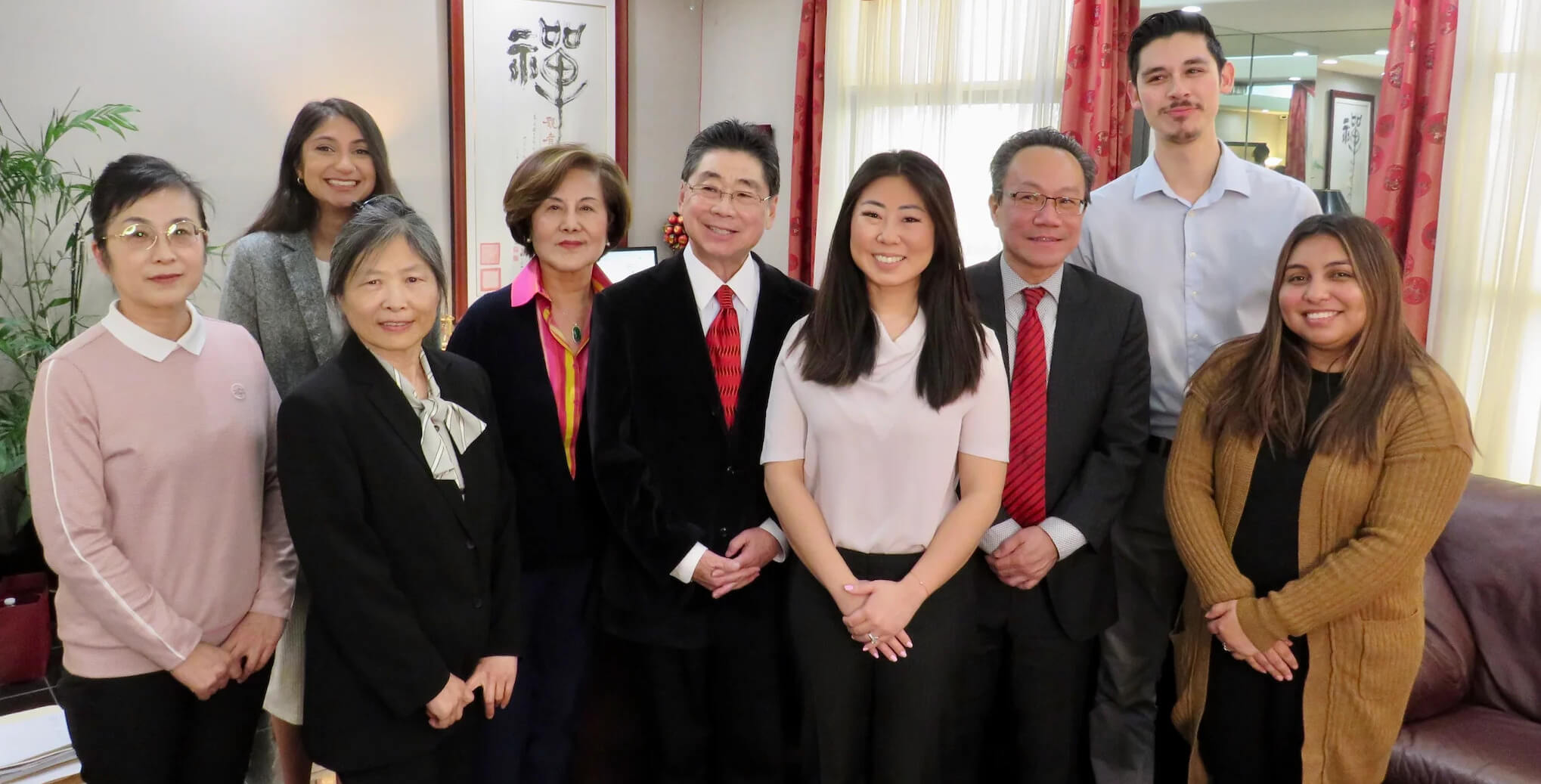
Why Choose Us?
-

Unmatched Expertise
Trust in Peter Chu's 75+ years of collective experience to guide you through complex immigration matters.
-

Tailored Solutions
Our personalized strategies adapt to your unique circumstances, ensuring we meet your specific immigration needs.
-

Proven Success
Benefit from our solid track record in achieving favorable outcomes in various immigration cases across San Diego.
-

Dedicated Service
Experience our client-first approach that ensures constant support and guidance throughout your immigration journey.


Get clear, expert legal guidance tailored to your visa, green card, or citizenship needs.

Inquire now to check if you qualify
K-3 Visa vs. CR-1 Immigrant Visa vs. DIY Filing: What Los Alamitos Families Should Know
U.S. citizens in Los Alamitos seeking to bring a foreign spouse to the United States face a strategic choice: file for a K-3 nonimmigrant visa (which allows the spouse to wait in the U.S. while the green card processes), wait for CR-1/IR-1 immigrant visa approval (which grants immediate permanent residence upon entry but requires the spouse to wait abroad), or attempt a DIY filing without legal representation. Each path carries different timelines, costs, and risks. And the wrong choice can delay reunion by 6–12 months.
Here's the honest answer: K-3 visas made sense in the early 2000s when I-130 processing took 18–24 months and K-3 processing was significantly faster. In 2026, with I-130 times averaging 11–15 months and K-3 times averaging 6–9 months plus an additional adjustment filing after entry, K-3 rarely saves time unless the I-130 has been pending fewer than 4–6 months at the time the K-3 is filed. For most Los Alamitos couples, direct CR-1 processing is faster to permanent residence and eliminates the need for adjustment of status. The primary exception: couples who cannot tolerate separation and are willing to pay for two processes (K-3 entry + adjustment) in exchange for reuniting 3–6 months sooner. DIY filings are viable for straightforward cases with no criminal history, prior visa denials, or complex financial sponsorship issues. But consular interview preparation and RFE responses are where unrepresented petitioners most commonly fail.
| Pathway | Timeline to U.S. Entry | Status Upon Entry | Total Cost | Best For |
|---|---|---|---|---|
| K-3 Visa (Attorney-Assisted) | 9–14 months (I-129F + consular) | Nonimmigrant; must file I-485 | $3,500–$5,500 legal + $1,500 USCIS fees | Couples who cannot wait and are early in I-130 processing |
| CR-1 Immigrant Visa (Attorney-Assisted) | 12–18 months (I-130 + consular) | Immediate permanent resident | $3,000–$4,500 legal + $1,200 USCIS fees | Couples willing to wait abroad for faster permanent residence |
| DIY Filing (No Attorney) | 12–20 months (high RFE risk) | Depends on visa type | $1,200–$1,500 USCIS fees only | Simple cases, no criminal history, strong evidence, high tolerance for procedural errors |
| Professional Assessment | CR-1 is the faster path to permanent residence in 75% of cases as of 2026. K-3 makes sense only if the I-130 is very recent or separation is unacceptable. | CR-1 grants work authorization and travel freedom immediately; K-3 requires separate EAD/AP filings. | Attorney representation costs 2–3x USCIS fees but prevents 80%+ of RFEs and denials in complex cases. | Consult a California immigration attorney if: prior visa denials, criminal history, or I-130 pending 6+ months. |
Frequently Asked Questions
Find answers to common questions about our services
-
The K-3 visa timeline for Los Alamitos residents averages 9–14 months from I-129F filing to U.S. entry, broken into three phases: USCIS adjudication of Form I-129F at California Service Center (6–9 months), National Visa Center processing and case transfe
-
A K-3 visa is a nonimmigrant visa that allows a foreign spouse to enter the U.S. and wait here while the green card (I-130) processes. But the spouse must file Form I-485 for adjustment of status after entry. A CR-1 visa is an immigrant visa that grants i
-
Yes, but only after receiving an Employment Authorization Document (EAD) by filing Form I-765 with USCIS. A K-3 visa holder is not automatically work-authorized upon entry. Most K-3 spouses file Form I-765 simultaneously with Form I-485 (adjustment of sta
-
USCIS and consular officers evaluate K-3 petitions for evidence that the marriage is genuine and not entered solely for immigration benefit. Required evidence includes: a government-issued marriage certificate, joint financial documentation (bank accounts
-
If the underlying I-130 petition is approved before the K-3 visa is issued at the consulate, the K-3 case is typically converted to a CR-1 or IR-1 immigrant visa case. No separate visa interview is required. This conversion happens automatically at the Na
-
Yes, the unmarried children under 21 of a K-3 visa holder are eligible for K-4 dependent visas, which allow them to accompany or follow the parent to the United States. The children must be listed on the I-129F petition at the time of filing or added late
-
Attorney fees for K-3 visa representation in Los Alamitos typically range from $3,500 to $5,500, depending on case complexity, whether the underlying I-130 petition is included, and whether adjustment of status (I-485) filing is bundled into the retainer.
-
K-3 visa denials at consular interviews most commonly result from: failure to demonstrate a bona fide marriage (the consular officer believes the marriage is fraudulent), criminal inadmissibility of the foreign spouse that was not disclosed on the I-129F,
Need Personalized Immigration Guidance?

