
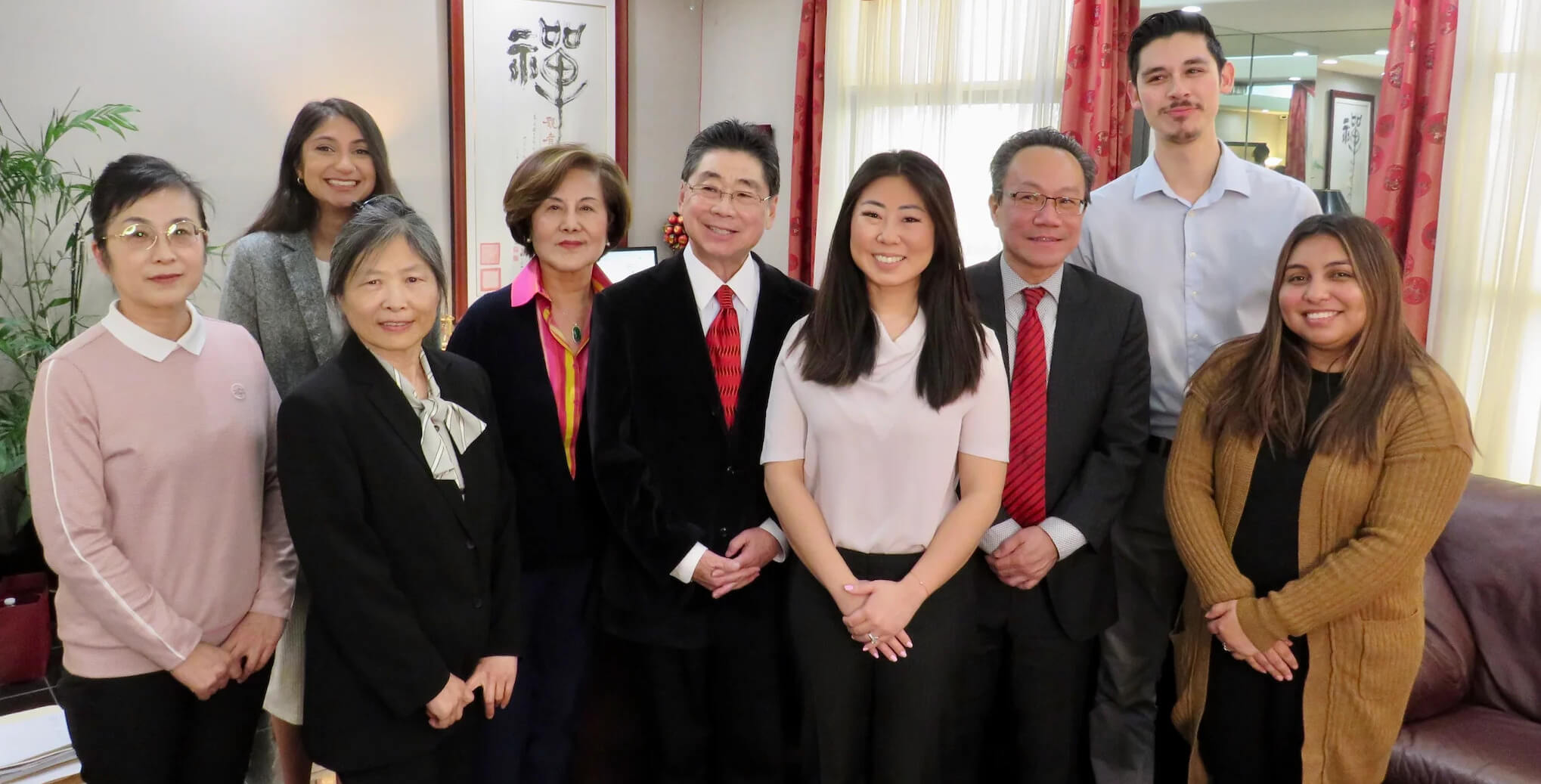
Why Choose Us?
-

Unmatched Expertise
Trust in Peter Chu's 75+ years of collective experience to guide you through complex immigration matters.
-

Tailored Solutions
Our personalized strategies adapt to your unique circumstances, ensuring we meet your specific immigration needs.
-

Proven Success
Benefit from our solid track record in achieving favorable outcomes in various immigration cases across San Diego.
-

Dedicated Service
Experience our client-first approach that ensures constant support and guidance throughout your immigration journey.


Get clear, expert legal guidance tailored to your visa, green card, or citizenship needs.

Inquire now to check if you qualify
Comparing K-3 Spouse Visa Options to Alternative Immigration Paths for Los Altos Families
Los Altos couples evaluating k-3 lawyer los altos services often compare the K-3 temporary visa to the IR-1 immediate relative immigrant visa, to adjustment of status if the spouse is already in the U.S., or to attempting the process without legal representation. Here's the honest answer: the K-3 visa was designed to shorten separation time when immigrant visa processing took 2–3 years, but current I-130 processing times (often 12–18 months) mean that IR-1 and K-3 cases now progress on similar timelines—making K-3 useful primarily when the I-130 is delayed or when the couple needs the nonimmigrant K-3 entry to preserve employment or child custody arrangements. Choosing between K-3 and IR-1 depends on whether you prioritize faster entry (K-3, but temporary status) or permanent residence upon arrival (IR-1, but potentially longer wait).
| Factor | K-3 Spouse Visa | IR-1 Immigrant Visa | DIY Filing | Attorney Representation |
|---|---|---|---|---|
| Entry Timeline | 8–14 months (I-129F + consular processing) | 12–18 months (I-130 + consular processing) | Same processing time, higher RFE risk | Same legal timeline, lower error risk |
| Status Upon Entry | Temporary nonimmigrant—requires I-485 adjustment after arrival | Immediate permanent resident (green card on entry) | Depends on visa type chosen | Depends on visa type chosen |
| Work Authorization | Must file I-765 (EAD) after U.S. entry—90–120 day wait | Immediate work authorization upon green card receipt | Must file correctly or lose eligibility | Filed concurrently to minimize delay |
| Travel Restrictions | Advance parole required for international travel before I-485 approval | No restrictions—permanent resident can travel freely | Misunderstanding of rules causes abandonment | Proper guidance prevents re-entry issues |
| Professional Assessment | Best for couples needing quick temporary entry to preserve job or custody; requires later adjustment filing and additional fees. | Best for couples willing to wait slightly longer for immediate permanent status and unrestricted work/travel rights. | High risk—RFE or denial rates exceed 40% for pro se K-3 filers due to evidentiary errors and procedural missteps. | Recommended when case involves prior visa denial, criminal history, or complex financial documentation. |
Frequently Asked Questions
Find answers to common questions about our services
-
K-3 visa processing in 2026 averages 8–14 months from I-129F filing to consular interview, though timelines vary by USCIS service center and the spouse's home country consulate. The California Service Center currently processes I-129F petitions in 6–9 mon
-
A complete K-3 petition requires Form I-129F with filing fee ($535 as of 2026), proof of U.S. citizenship (passport or birth certificate), certified marriage certificate with English translation, evidence of prior in-person meeting within the past two yea
-
No—K-3 visa holders must file Form I-765 (Application for Employment Authorization) after entering the United States and wait 90–120 days for USCIS to adjudicate and issue the Employment Authorization Document (EAD). Work before receiving the physical EAD
-
Attorney fees for full-service K-3 representation in Los Altos typically range from $2,500 to $4,500 depending on case complexity—covering I-129F petition preparation, document review, USCIS correspondence, consular processing coordination, and interview
-
Yes—the U.S. citizen petitioner can travel internationally while the K-3 petition is pending without affecting the case, though you should carry copies of the I-129F receipt notice when re-entering to demonstrate ties to the United States. However, once y
-
If the consulate denies the K-3 visa, you will receive a written explanation citing the reason—common grounds include failure to demonstrate a bona fide marriage, prior immigration violations, or inadmissibility under INA Section 212(a) (criminal history,
-
Not necessarily—the K-3 visa was created to reduce separation time when I-130 immigrant petitions took 2–3 years, but current USCIS processing improvements mean I-130 and I-129F now proceed on similar timelines (both 8–14 months in 2026). The advantage of
-
You are not legally required to hire an immigration lawyer for K-3 visa filing, but pro se (self-represented) applicants face RFE rates exceeding 40% due to incomplete evidence of bona fide marriage, incorrect financial documentation, or procedural errors
Need Personalized Immigration Guidance?

