
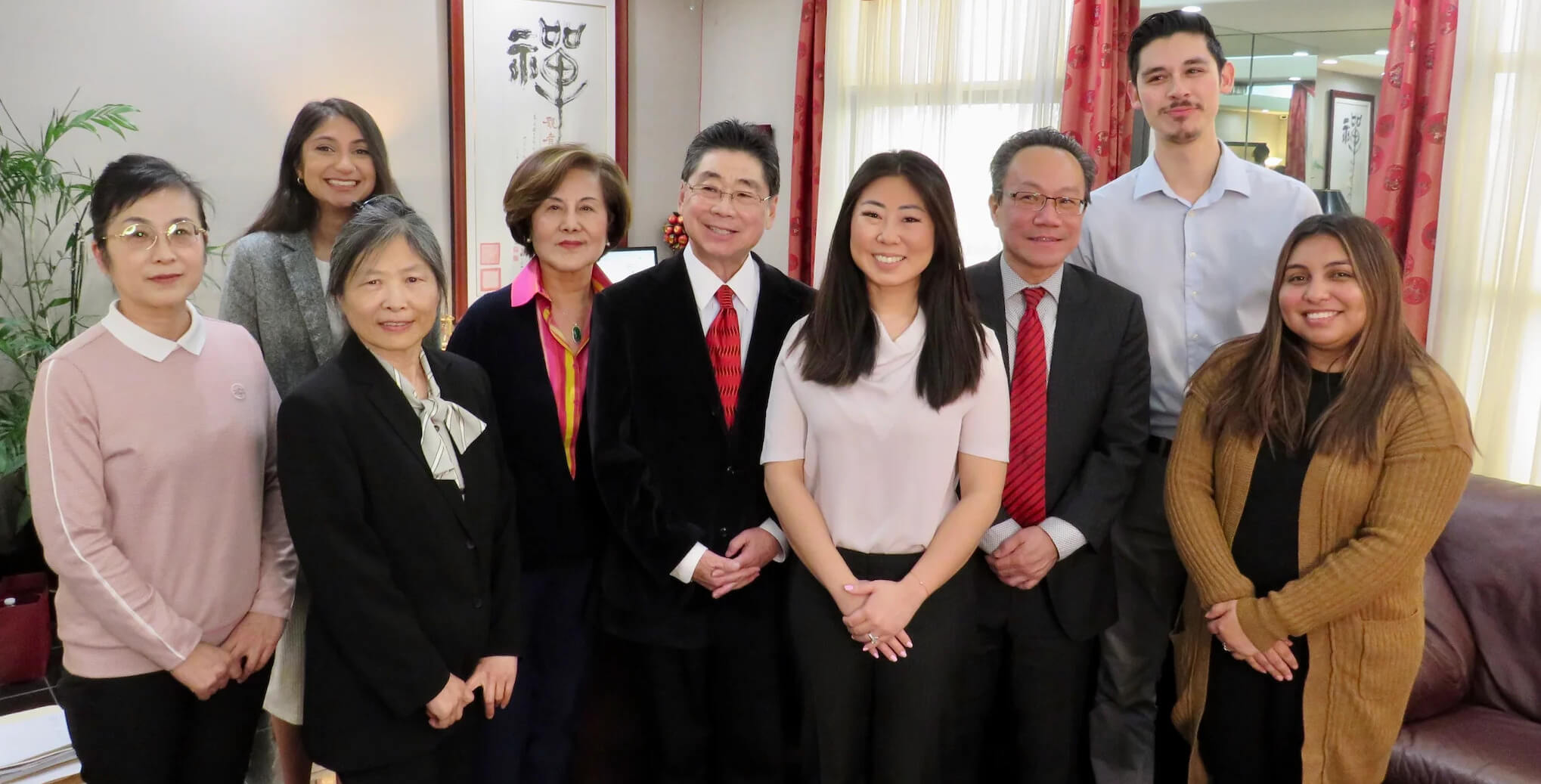
Why Choose Us?
-

Unmatched Expertise
Trust in Peter Chu's 75+ years of collective experience to guide you through complex immigration matters.
-

Tailored Solutions
Our personalized strategies adapt to your unique circumstances, ensuring we meet your specific immigration needs.
-

Proven Success
Benefit from our solid track record in achieving favorable outcomes in various immigration cases across San Diego.
-

Dedicated Service
Experience our client-first approach that ensures constant support and guidance throughout your immigration journey.


Get clear, expert legal guidance tailored to your visa, green card, or citizenship needs.

Inquire now to check if you qualify
K-3 Spouse Visa Filing: Attorney vs. DIY vs. Notario
Philadelphia residents filing K-3 petitions face a choice: hire a licensed Pennsylvania immigration attorney, use an online document service, attempt DIY filing, or consult a notario. Here's the honest answer: K-3 visa processing involves three separate agencies (USCIS, NVC, and the consular section of a U.S. embassy), each with distinct procedural requirements, and a single procedural error at any stage can delay your spouse's arrival by 6–12 months or result in visa denial. Online form-prep services generate the I-129F but provide no legal advice on whether K-3 filing is the optimal strategy for your case, no representation if USCIS issues an RFE, and no consular interview preparation for your spouse abroad. Notarios (common in immigrant communities) are not licensed attorneys in the United States and cannot provide legal representation before USCIS or consular officers. Using a notario for K-3 filing has resulted in thousands of denied cases and State Department fraud warnings.
| Filing Method | Legal Representation | RFE Response | Consular Prep | Professional Assessment |
|---|---|---|---|---|
| Licensed PA Attorney | Full attorney-client privilege, USCIS representation | Drafted by attorney, filed within deadline | Country-specific interview prep, evidence packet | Best for high-refusal posts, prior denials, or complex cases |
| Online Document Prep Service | No legal advice, form generation only | No representation. You respond alone | No consular guidance | Risk: procedural errors, no RFE help |
| DIY Filing | No representation | You research and draft RFE response | No professional guidance | Risk: missed deadlines, incomplete evidence |
| Notario/Consultant | Not licensed. Cannot represent you | Cannot file legal documents with USCIS | Often incorrect advice | State Department warns against notario fraud |
For Philadelphia K-3 cases where the foreign spouse is interviewing at a consulate with refusal rates above 15%, where either spouse has prior immigration violations, or where the marriage occurred shortly after meeting, attorney representation reduces denial risk and accelerates timeline. For straightforward cases with strong evidence and no prior issues, DIY filing is possible. But the cost of a single procedural error (6-month delay, consular refusal, re-filing fees) typically exceeds the cost of initial attorney review.
Frequently Asked Questions
Find answers to common questions about our services
-
K-3 visa processing involves three sequential stages: USCIS adjudication of Form I-129F (6–9 months), National Visa Center case processing (2–4 months), and consular interview scheduling and visa issuance (1–3 months depending on embassy). Total timeline
-
A K-3 visa is a temporary nonimmigrant visa that allows a foreign spouse to enter the United States while the I-130 immigrant petition processes; the spouse must then file for adjustment of status after arrival. A CR-1 visa (or IR-1 for marriages over two
-
K-3 visa holders are eligible to apply for employment authorization by filing Form I-765 (Application for Employment Authorization Document) after entering the United States. Processing time for I-765 based on K-3 status is typically 4–6 months; your spou
-
USCIS requires evidence that your marriage is legally valid and entered into in good faith, not solely for immigration purposes. Acceptable evidence includes: certified marriage certificate from the country where the marriage occurred, joint bank account
-
Yes, the unmarried children (under age 21) of a K-3 visa holder are eligible for K-4 dependent visas, which allow them to accompany or follow to join the K-3 principal applicant. The K-4 children must be listed on the original I-129F petition; children no
-
If USCIS denies your K-3 Form I-129F petition, you will receive a written denial notice explaining the reason. Common grounds include failure to prove a valid marriage, missing required documentation, or ineligibility of the petitioner or beneficiary. You
-
You are not legally required to hire an attorney to file a K-3 visa petition. USCIS accepts self-filed I-129F forms. However, K-3 processing involves coordination between three agencies and procedural errors at any stage cause months of delay or denial. A
-
USCIS filing fees for K-3 visa processing include: I-129F filing fee ($535 as of 2026), DS-160 visa application fee ($265), and medical examination fees at an embassy-approved physician (typically $200–$400 depending on country). Once your spouse arrives,
Need Personalized Immigration Guidance?

