
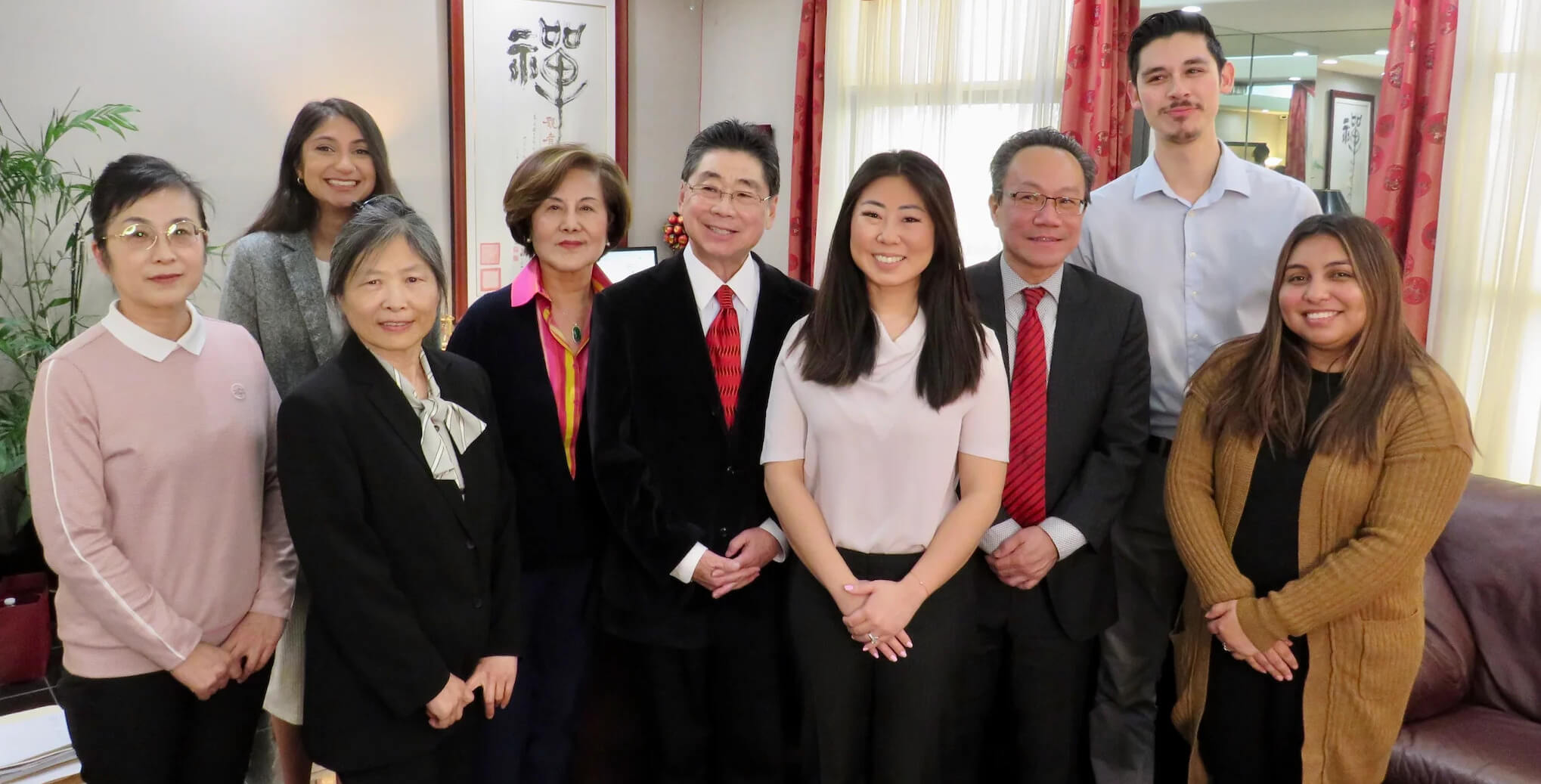
Why Choose Us?
-

Unmatched Expertise
Trust in Peter Chu's 75+ years of collective experience to guide you through complex immigration matters.
-

Tailored Solutions
Our personalized strategies adapt to your unique circumstances, ensuring we meet your specific immigration needs.
-

Proven Success
Benefit from our solid track record in achieving favorable outcomes in various immigration cases across San Diego.
-

Dedicated Service
Experience our client-first approach that ensures constant support and guidance throughout your immigration journey.


Get clear, expert legal guidance tailored to your visa, green card, or citizenship needs.

Inquire now to check if you qualify
K-3 Visa vs. CR-1 Visa vs. DIY Filing: What Rancho Cucamonga Families Should Know
Rancho Cucamonga residents filing K-3 spouse visa petitions face three primary pathways: filing a K-3 petition through an immigration attorney, waiting for CR-1 immigrant visa processing, or attempting DIY filing. Each has trade-offs. Here's the honest answer: K-3 petitions made sense when I-130 processing took 12–18 months and K-3 visas were issued in 6–9 months—but USCIS processing improvements have narrowed that gap significantly. Today, many CR-1 petitions are processed faster than K-3 petitions, and CR-1 visa holders enter the U.S. as permanent residents immediately (no adjustment of status required). However, for families where the U.S. petitioner needs their spouse present urgently—due to pregnancy, childcare needs, or business obligations—the K-3 route still offers strategic value. DIY filing risks procedural errors that delay both K-3 and underlying I-130 petitions, and USCIS does not provide the same level of case-specific guidance that an attorney does.
| Approach | Speed to U.S. Entry | Status Upon Entry | Cost | Risk of Errors |
|---|---|---|---|---|
| K-3 Visa (Attorney-Filed) | 6–10 months (if I-130 pending) | Non-immigrant (requires adjustment) | $3,500–$5,500 + filing fees | Low—attorney reviews all forms before submission |
| CR-1 Immigrant Visa | 10–14 months (direct processing) | Permanent resident immediately | $2,500–$4,000 + filing fees | Low if attorney-filed |
| DIY K-3 or CR-1 Filing | Unpredictable (often delayed by RFEs) | Depends on visa type | Filing fees only ($535–$1,200) | High—missed documentation, translation errors, and procedural mistakes common |
Frequently Asked Questions
Find answers to common questions about our services
-
K-3 visa processing time depends on three stages: USCIS I-129F petition approval (currently 6–9 months), National Visa Center case processing (1–2 months), and consular interview scheduling and visa issuance (2–4 months). Total time from filing to visa is
-
A K-3 petition requires Form I-129F, proof of U.S. citizenship (passport or birth certificate), certified marriage certificate with English translation if applicable, evidence of bona fide marriage (joint bank accounts, lease agreements, photos), and proo
-
Yes, K-3 visa holders can apply for work authorization by filing Form I-765 (Application for Employment Authorization) after arriving in the United States. However, USCIS processing time for I-765 applications is currently 3–5 months, during which your sp
-
If USCIS denies your I-129F petition for K-3 classification, you will receive a written denial notice explaining the reason—common grounds include insufficient evidence of marriage, failure to prove that an I-130 was filed, or inadmissibility of the benef
-
Attorney fees for K-3 spouse visa representation in Rancho Cucamonga typically range from $3,500 to $5,500 depending on case complexity, consular processing location, and whether the case involves prior denials or waivers. This fee is separate from USCIS
-
The K-3 visa category has declined in usefulness since USCIS processing times for I-130 petitions improved in recent years—many CR-1 immigrant visas are now issued faster than K-3 visas. However, K-3 remains valuable for families where the U.S. petitioner
-
If your spouse previously overstayed a U.S. visa and accrued unlawful presence, they may be subject to the 3-year or 10-year bar under INA Section 212(a)(9)(B) and ineligible for a K-3 visa without a waiver. Overstays of more than 180 days but less than o
-
A K-1 visa is for foreign fiancé(e)s of U.S. citizens who intend to marry within 90 days of entering the United States; a K-3 visa is for foreign spouses who are already legally married to U.S. citizens and waiting for immigrant visa processing. Both requ
Need Personalized Immigration Guidance?

