
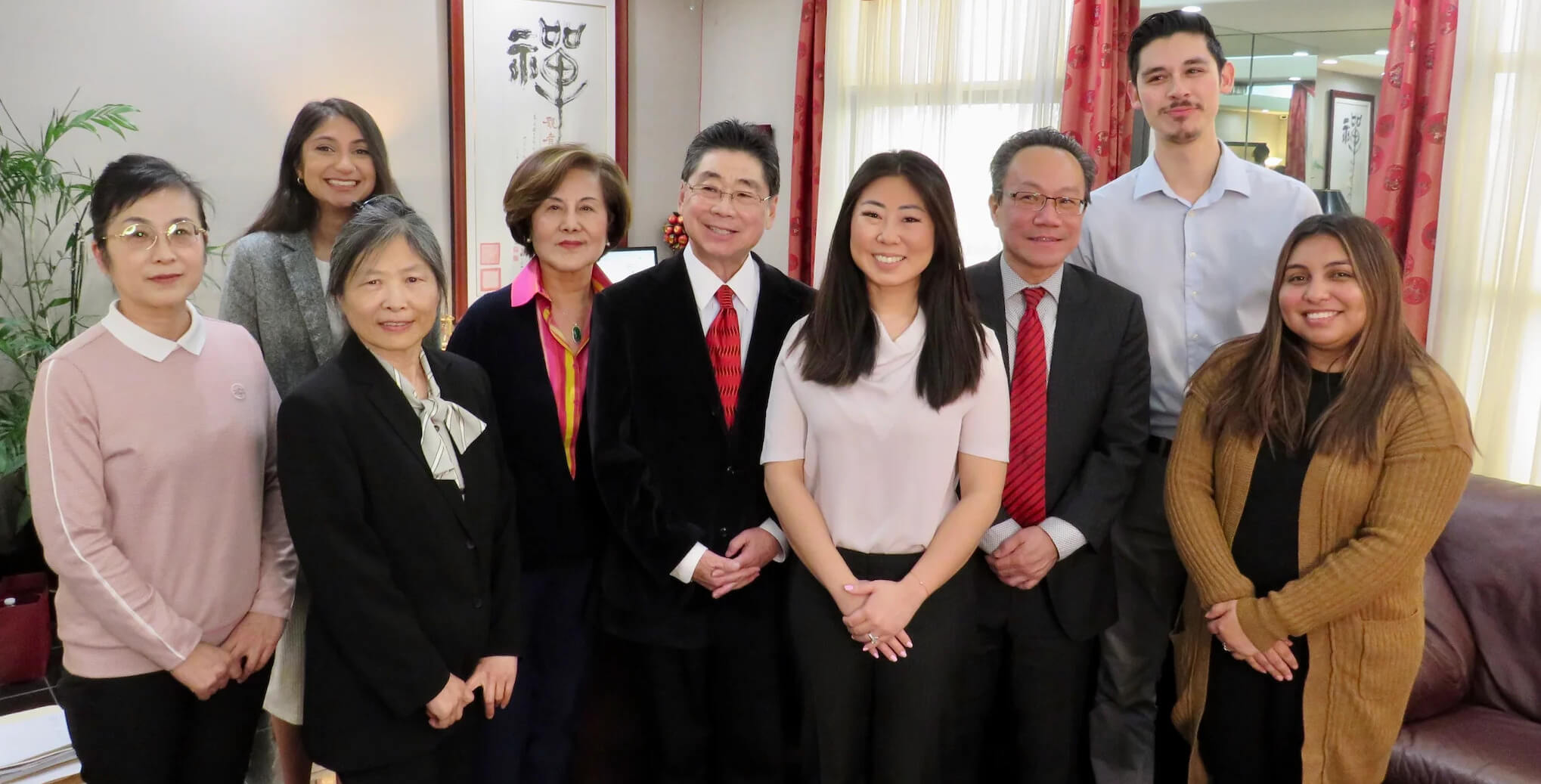
Why Choose Us?
-

Unmatched Expertise
Trust in Peter Chu's 75+ years of collective experience to guide you through complex immigration matters.
-

Tailored Solutions
Our personalized strategies adapt to your unique circumstances, ensuring we meet your specific immigration needs.
-

Proven Success
Benefit from our solid track record in achieving favorable outcomes in various immigration cases across San Diego.
-

Dedicated Service
Experience our client-first approach that ensures constant support and guidance throughout your immigration journey.


Get clear, expert legal guidance tailored to your visa, green card, or citizenship needs.

Inquire now to check if you qualify
K-3 Spouse Visa vs. CR-1 Immigrant Visa vs. Adjustment of Status: Which Path is Fastest for San Juan Capistrano Families?
San Juan Capistrano couples navigating spouse immigration have three primary paths: the K-3 nonimmigrant visa, the CR-1 immigrant visa (consular processing), or adjustment of status if the spouse is already in the U.S. Here's the honest answer: the K-3 visa was designed in 2000 to reduce separation time, but in 2026, most immigration attorneys. Including our K-3 lawyer San Juan Capistrano team. Find that CR-1 consular processing is often faster than K-3 due to USCIS policy changes that prioritize immigrant visa petitions over nonimmigrant K-3 applications. The K-3 advantage exists primarily in cases where the I-130 is experiencing significant delays or where the foreign spouse needs to enter the U.S. urgently for medical or family emergency reasons.
| Visa Type | Processing Time (2026) | Work Authorization Timeline | Professional Assessment |
|---|---|---|---|
| K-3 Nonimmigrant Visa | 5–7 months (I-129F) + 2–4 months consular | After entry, must file I-765 (3–5 months wait) | Best for urgent entry needs; requires adjustment of status after arrival |
| CR-1 Immigrant Visa | 10–14 months total (I-130 + consular) | Immediate upon entry (green card grants work authorization) | Most cost-effective; foreign spouse enters as permanent resident immediately |
| Adjustment of Status (I-485) | 8–14 months (if spouse already in U.S.) | Concurrent filing with I-765 (3–5 months) | Only option if spouse is already in valid U.S. status; no travel until advance parole approved |
| Do-It-Yourself Filing | Same government timelines, but 40–60% RFE rate | Delays add 3–6 months per RFE cycle | High risk of procedural errors that extend total timeline by 6–12 months |
The single biggest mistake San Juan Capistrano couples make is filing a K-3 petition without evaluating whether the I-130 will be approved faster. Resulting in wasted filing fees and duplicated effort when the I-130 completes before the K-3 interview is scheduled.
Frequently Asked Questions
Find answers to common questions about our services
-
K-3 visa processing for San Juan Capistrano petitioners typically takes 5–7 months for USCIS to approve Form I-129F, followed by 2–4 months for National Visa Center processing and consular interview scheduling. Totaling 7–11 months from filing to visa iss
-
A complete K-3 petition requires Form I-129F, a copy of the I-130 receipt notice proving the immigrant petition was filed first, a certified copy of the marriage certificate with English translation if applicable, two passport-style photos of the foreign
-
No. K-3 visa holders do not receive automatic work authorization upon entry into the United States. Your spouse must file Form I-765 (Application for Employment Authorization) after arrival, which typically takes 3–5 months for USCIS to approve. Most immi
-
Attorney fees for K-3 petition preparation in San Juan Capistrano typically range from $2,500 to $4,500 depending on case complexity, plus government filing fees of $535 for Form I-129F and $1,140 for adjustment of status (Form I-485) after the spouse arr
-
If USCIS denies a K-3 petition, you have three options: file a motion to reopen or reconsider if new evidence is available, appeal the decision to the USCIS Administrative Appeals Office (though K-3 appeals are rarely successful), or continue waiting for
-
Yes. The U.S. citizen petitioner can travel freely while the K-3 petition is pending, as your ability to leave and return to the United States is not affected by the filing. However, the foreign spouse (beneficiary) should not attempt to enter the U.S. on
-
The K-3 visa is for foreign spouses of U.S. citizens who are already legally married and waiting for immigrant visa processing, while the K-1 fiancé visa is for foreign nationals who are engaged but not yet married and intend to marry within 90 days of en
-
Common K-3 consular interview questions include: How did you meet your U.S. citizen spouse? When and where did you get married? What does your spouse do for work? Where will you live in the United States? Have you visited your spouse in San Juan Capistran
Need Personalized Immigration Guidance?

