
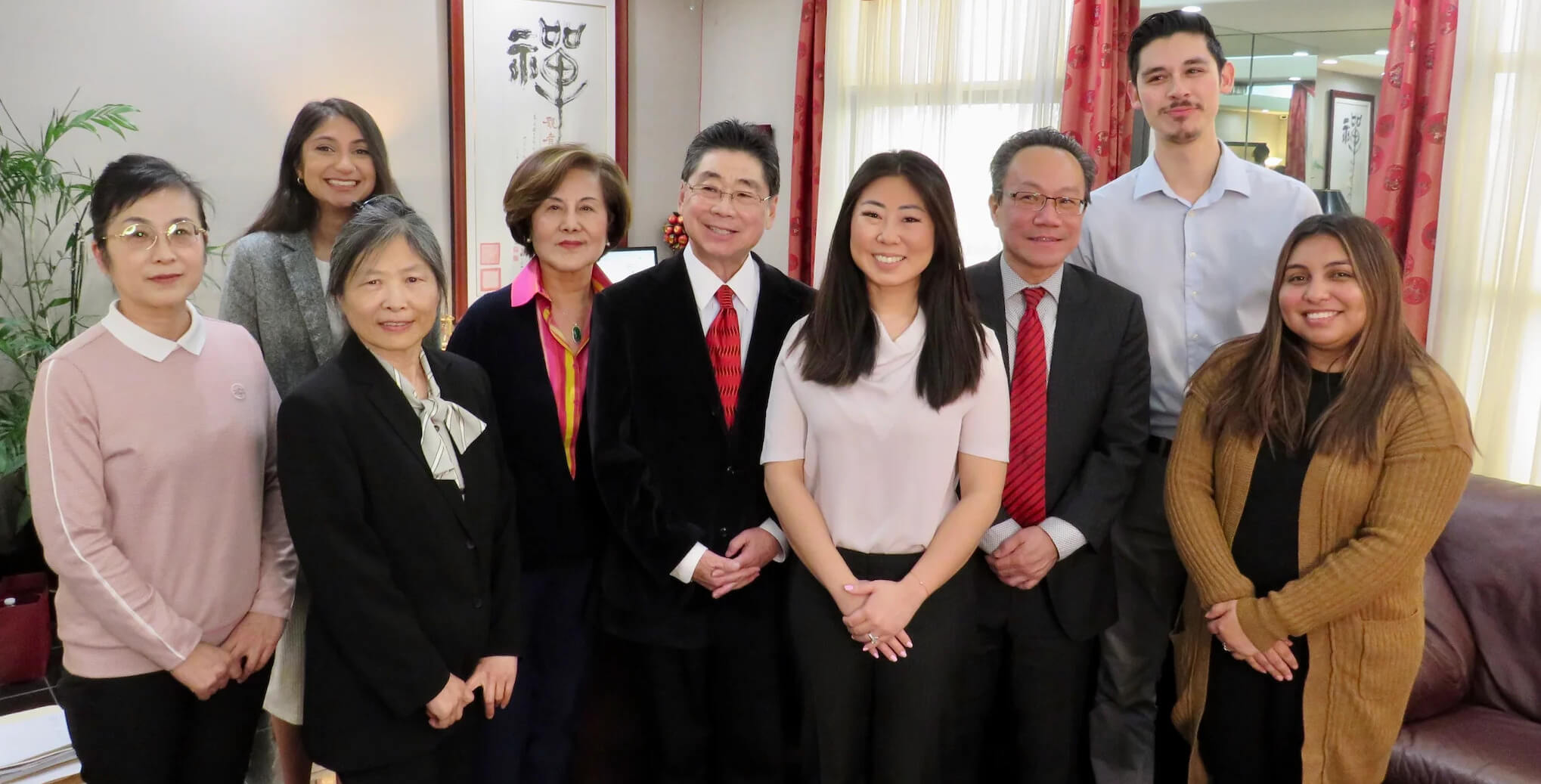
Why Choose Us?
-

Unmatched Expertise
Trust in Peter Chu's 75+ years of collective experience to guide you through complex immigration matters.
-

Tailored Solutions
Our personalized strategies adapt to your unique circumstances, ensuring we meet your specific immigration needs.
-

Proven Success
Benefit from our solid track record in achieving favorable outcomes in various immigration cases across San Diego.
-

Dedicated Service
Experience our client-first approach that ensures constant support and guidance throughout your immigration journey.


Get clear, expert legal guidance tailored to your visa, green card, or citizenship needs.

Inquire now to check if you qualify
K-3 Visa vs. CR-1 Immigrant Visa: Which Path Is Right for Santa Ana Families?
Santa Ana petitioners seeking spousal reunification face a strategic choice between K-3 nonimmigrant spouse visas and CR-1/IR-1 immigrant spouse visas. Each with distinct timelines, work authorization pathways, and long-term status implications. Here's the honest answer: K-3 visas were designed as a faster bridge to U.S. entry while I-130 immigrant petitions were pending, but USCIS processing improvements have largely eliminated that timeline advantage, and most immigration attorneys now recommend CR-1 direct immigrant processing unless emergency reunification justifies the added complexity of K-3 dual filing.
| Factor | K-3 Spouse Visa | CR-1/IR-1 Immigrant Visa | Professional Assessment |
|---|---|---|---|
| Initial Entry Status | Nonimmigrant (temporary). Requires adjustment of status after entry | Immediate permanent resident upon entry | CR-1 provides immediate green card status; K-3 requires additional adjustment filing and fees |
| Work Authorization Timeline | Employment Authorization Document (EAD) required after U.S. entry. 3–5 month processing | Immediate work authorization upon admission as permanent resident | CR-1 eliminates EAD wait and cost; K-3 beneficiaries face months without work eligibility |
| Processing Timeline (2026) | I-129F approval: 6–9 months; total time to U.S. entry: 9–14 months | I-130 approval plus consular processing: 12–18 months total | Timeline gap has narrowed significantly; K-3 advantage now marginal and often outweighed by adjustment complexity |
| Total Filing Fees | I-129F + I-485 adjustment + EAD/Advance Parole: $3,000+ combined | I-130 + consular fees: $1,500–$2,000 total | K-3 dual-track filing costs nearly double the CR-1 single immigrant pathway |
Frequently Asked Questions
Find answers to common questions about our services
-
K-3 processing for Santa Ana families in 2026 averages 9–14 months from I-129F filing to U.S. entry, broken into three phases: USCIS I-129F adjudication (6–9 months), National Visa Center processing and case transfer (1–2 months), and consular interview s
-
A complete K-3 petition filed by a Santa Ana petitioner requires Form I-129F with filing fee, proof of U.S. citizenship (passport or birth certificate), certified marriage certificate, evidence of a pending or approved I-130 immigrant petition (receipt no
-
K-3 visa holders are not automatically work-authorized upon entry to the United States. They must file Form I-765 Application for Employment Authorization after arrival and wait for USCIS to adjudicate and issue an Employment Authorization Document (EAD).
-
If the I-130 immigrant petition is approved and becomes current for consular processing before the K-3 visa is issued, the K-3 application is automatically converted to CR-1/IR-1 immigrant visa processing at the National Visa Center stage. No separate fil
-
The K-3 visa category has become less practical for most Santa Ana families in 2026 due to convergence of I-130 and I-129F processing timelines. Eliminating the historical speed advantage that justified K-3 dual filing. USCIS processing improvements mean
-
K-3 visa holders may travel outside the United States and return using their valid K-3 visa and unexpired passport, provided they have not abandoned their intent to adjust status to permanent residence. However, extended absences or trips suggesting the b
-
The most common K-3 denial grounds for Santa Ana petitioners are: failure to demonstrate a pending or approved I-130 petition at the time of I-129F filing, inability to prove a bona fide marriage (consular officers suspect marriage fraud), prior immigrati
-
Beneficiary spouses from countries designated by the U.S. Department of State as high-fraud jurisdictions face heightened scrutiny during K-3 consular processing, including mandatory in-person fraud interviews, extended background checks, and administrati
Need Personalized Immigration Guidance?

