
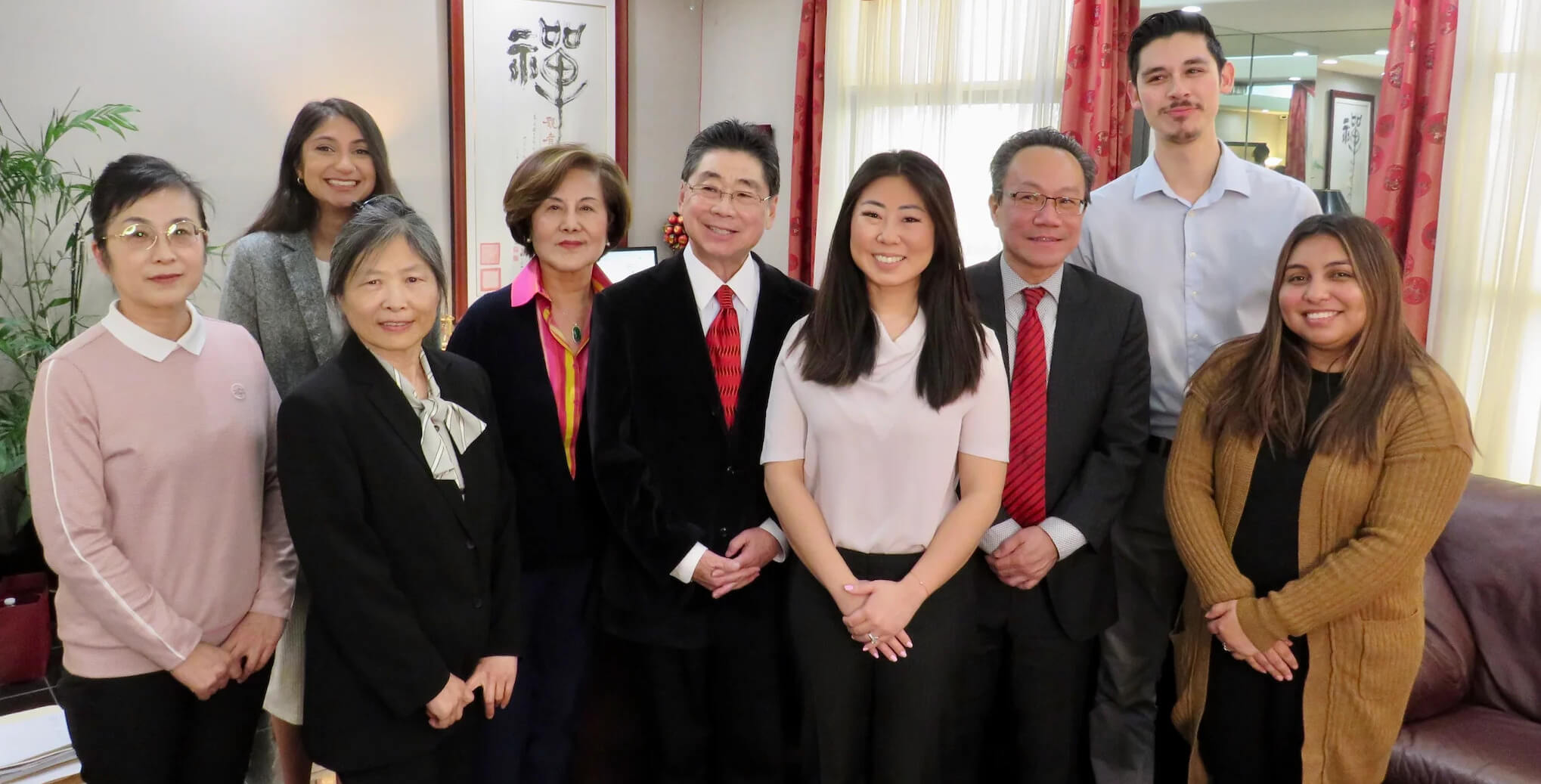
Why Choose Us?
-

Unmatched Expertise
Trust in Peter Chu's 75+ years of collective experience to guide you through complex immigration matters.
-

Tailored Solutions
Our personalized strategies adapt to your unique circumstances, ensuring we meet your specific immigration needs.
-

Proven Success
Benefit from our solid track record in achieving favorable outcomes in various immigration cases across San Diego.
-

Dedicated Service
Experience our client-first approach that ensures constant support and guidance throughout your immigration journey.


Get clear, expert legal guidance tailored to your visa, green card, or citizenship needs.

Inquire now to check if you qualify
Choosing the Right Immigration Path: K-3 vs. IR-1 vs. DIY Filing
Upland families navigating spouse immigration have three primary options: filing a K-3 nonimmigrant visa, proceeding directly with the IR-1 immigrant visa, or attempting a do-it-yourself petition without legal representation. Each path carries distinct timelines, costs, and risks.
Here's the honest answer: The K-3 visa is now rarely the fastest option due to improved I-130 processing speeds at USCIS, but it remains valuable in specific scenarios. Particularly when the foreign spouse must enter the U.S. urgently for family emergencies, medical care, or employment reasons and cannot wait 12-18 months for consular processing. DIY filing saves legal fees but exposes petitioners to RFE delays, procedural errors, and outright denials that cost far more in re-filing fees and lost time than an attorney would have charged upfront.
| Option | Timeline to U.S. Entry | Work Authorization | Professional Assessment |
|---|---|---|---|
| K-3 Visa (Attorney) | 6-9 months (petition + consular) | Available after I-485 filing in U.S. | Best for urgent entry needs; provides faster travel but requires follow-up adjustment |
| IR-1 Visa (Attorney) | 12-18 months (full process) | Immediate upon entry (green card) | Best for standard cases; spouse enters as permanent resident, no adjustment needed |
| DIY Filing | 18-36 months (with errors/RFEs) | Delayed until all corrections resolved | High risk of procedural failure; 40%+ error rate in self-filed family petitions per AILA data |
For Upland families where the foreign spouse has urgent U.S. entry needs and the immigrant visa timeline is prohibitive, the K-3 remains a strategic tool. But only when filed correctly the first time.
Frequently Asked Questions
Find answers to common questions about our services
-
Current processing timelines for K-3 visas filed from Upland average 6-9 months from I-129F filing to consular interview, though this varies significantly by USCIS service center workload and the foreign spouse's country of residence. USCIS California Ser
-
The K-3 visa is for foreign spouses of U.S. citizens who are already legally married and waiting for immigrant visa processing, allowing them to enter the U.S. while the I-130 petition processes. The K-1 fiancé(e) visa is for foreign nationals who are eng
-
Yes, but only after filing for and receiving work authorization. K-3 visa holders are not automatically authorized to work upon entry to the U.S.. They must file Form I-765 (Application for Employment Authorization) after arriving. Current processing time
-
A complete K-3 petition filed from Upland requires: a certified copy of your marriage certificate (with certified English translation if not in English), proof of U.S. citizenship (passport or birth certificate), two passport-style photos of the foreign s
-
Legal fees for K-3 visa representation in Upland typically range from $2,500 to $4,500 depending on case complexity, not including USCIS filing fees ($535 for Form I-129F as of 2026). More complex cases involving prior immigration violations, criminal his
-
If USCIS denies your I-129F petition, you receive a written denial notice explaining the reasons. Common grounds include failure to prove a bona fide marriage, ineligibility due to prior immigration violations, or procedural defects in the petition. You m
-
Your K-3 spouse can travel outside the U.S. after entry, but only if they have obtained advance parole by filing Form I-131 (Application for Travel Document) before departing. Traveling without advance parole automatically abandons the pending I-485 adjus
-
USCIS does not publish city-specific approval rates, but nationally, properly prepared K-3 petitions filed by licensed attorneys have approval rates exceeding 85%, according to American Immigration Lawyers Association data. The most common reasons for den
Need Personalized Immigration Guidance?

