
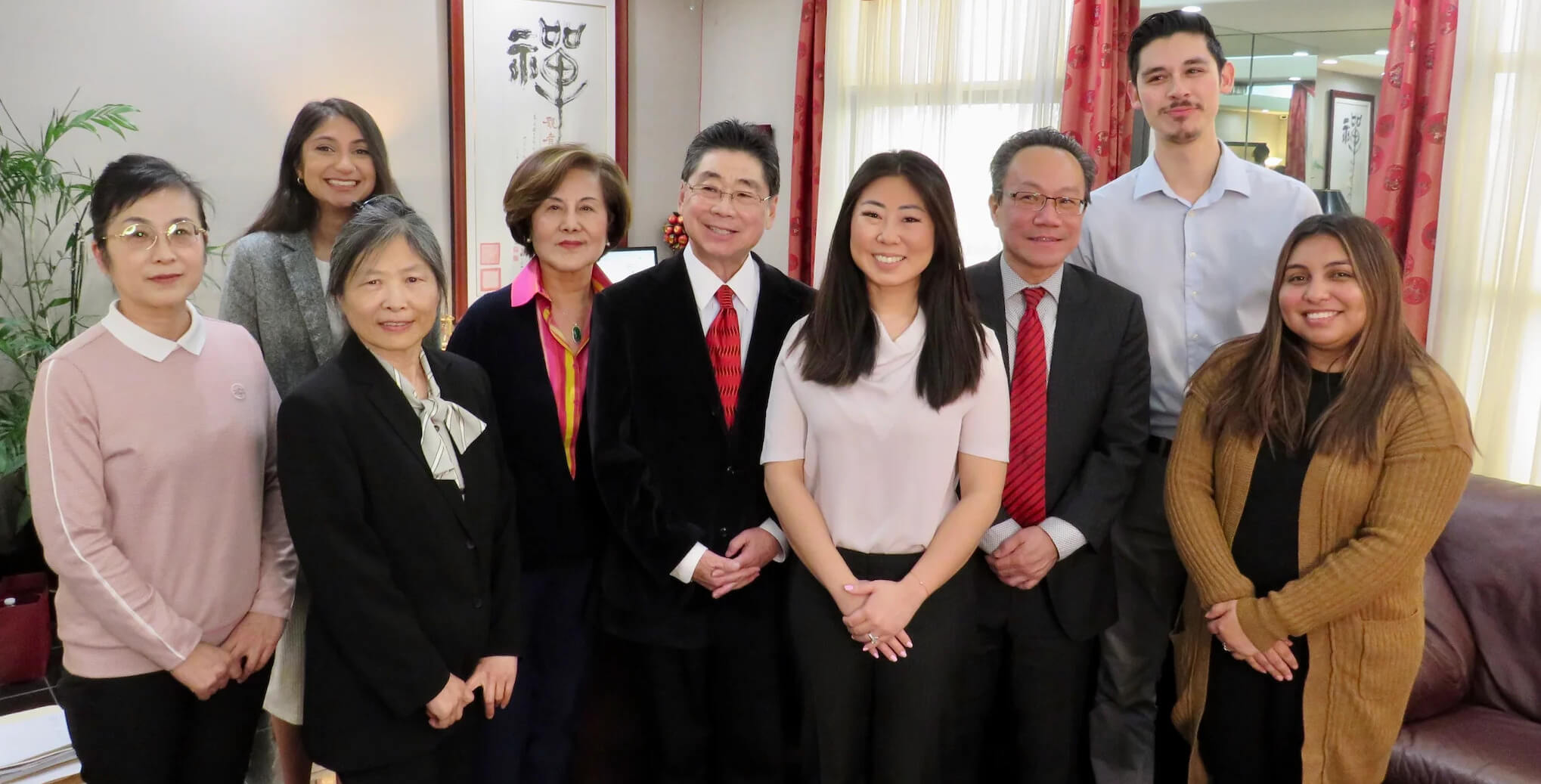
Why Choose Us?
-

Unmatched Expertise
Trust in Peter Chu's 75+ years of collective experience to guide you through complex immigration matters.
-

Tailored Solutions
Our personalized strategies adapt to your unique circumstances, ensuring we meet your specific immigration needs.
-

Proven Success
Benefit from our solid track record in achieving favorable outcomes in various immigration cases across San Diego.
-

Dedicated Service
Experience our client-first approach that ensures constant support and guidance throughout your immigration journey.


Get clear, expert legal guidance tailored to your visa, green card, or citizenship needs.

Inquire now to check if you qualify
How O-1A Representation in Laguna Niguel Compares to DIY Filing or Online Services
O-1A petitions are the most documentation-intensive nonimmigrant visa category — failure rates for self-filed petitions are significantly higher than attorney-represented cases because applicants underestimate the specificity USCIS demands in evidentiary exhibits and advisory opinions. Here's the honest answer: if your case requires more than basic employment verification and you are relying on criteria like original contributions, published material, or critical employment, attempting to self-file or use a form-completion service substantially increases your risk of RFE or denial.
| Approach | Evidence Strategy | Advisory Opinion Quality | RFE Response Capability | Bottom Line |
|---|---|---|---|
| Self-Filing | Generic criterion matching, no citation analysis | Often incomplete or incorrectly formatted | Limited — no legal arguments | High RFE risk — USCIS adjudicators expect attorney-level legal briefing |
| Online Form Services | Template letters, no case law research | Boilerplate language with no field expertise | None — services cannot respond to RFEs | Form completion only — not legal representation |
| Licensed Immigration Attorney | Criterion-specific evidence compilation, citation metrics, legal precedent research | Coordinated with peer group experts, field-specific language | Full legal briefing with federal case law and AAO decisions | Lowest denial rate — USCIS recognizes attorney-prepared petitions as substantive legal submissions |
Frequently Asked Questions
Find answers to common questions about our services
-
O-1A petition preparation typically requires 4–8 weeks from initial consultation to USCIS filing, depending on the volume of supporting evidence and the complexity of your field. Cases requiring expert letters, citation analysis, or credential evaluation
-
Attorney fees for O-1A petition preparation vary based on case complexity — typical ranges are $5,000–$12,000 for initial petitions and $3,000–$6,000 for extensions. This does not include government filing fees ($460 base plus $500 fraud prevention fee) o
-
Yes. If you are outside the U.S., your prospective employer or agent files the O-1A petition on your behalf, and once approved, you apply for the O-1 visa stamp at a U.S. consulate in your home country. Consular processing timelines vary by location but t
-
If USCIS denies your O-1A petition, you have the right to file a motion to reopen or reconsider within 30 days, or to appeal the decision to the USCIS Administrative Appeals Office within 33 days. We evaluate the denial notice to determine the strongest p
-
Yes. O-1A visas require a U.S. employer or agent to file the petition on your behalf — you cannot self-petition. The employer can be a company, a university, a production company, or an agent representing multiple clients or engagements. The petition must
-
Yes. Your spouse and unmarried children under 21 may apply for O-3 dependent visas, which allow them to live in the U.S. for the duration of your O-1A status. O-3 dependents cannot work in the United States but may attend school. We prepare O-3 applicatio
-
Extraordinary ability (O-1A) requires evidence that you are in the top tier of your field — demonstrated through awards, publications, critical employment, or original contributions. This is a higher standard than specialty occupation (H-1B), which requir
-
The most common RFE issues are insufficient documentation of sustained acclaim, weak advisory opinions that lack field-specific detail, and failure to demonstrate that all eight criteria are not satisfied when only three are claimed. USCIS also frequently
Need Personalized Immigration Guidance?

