
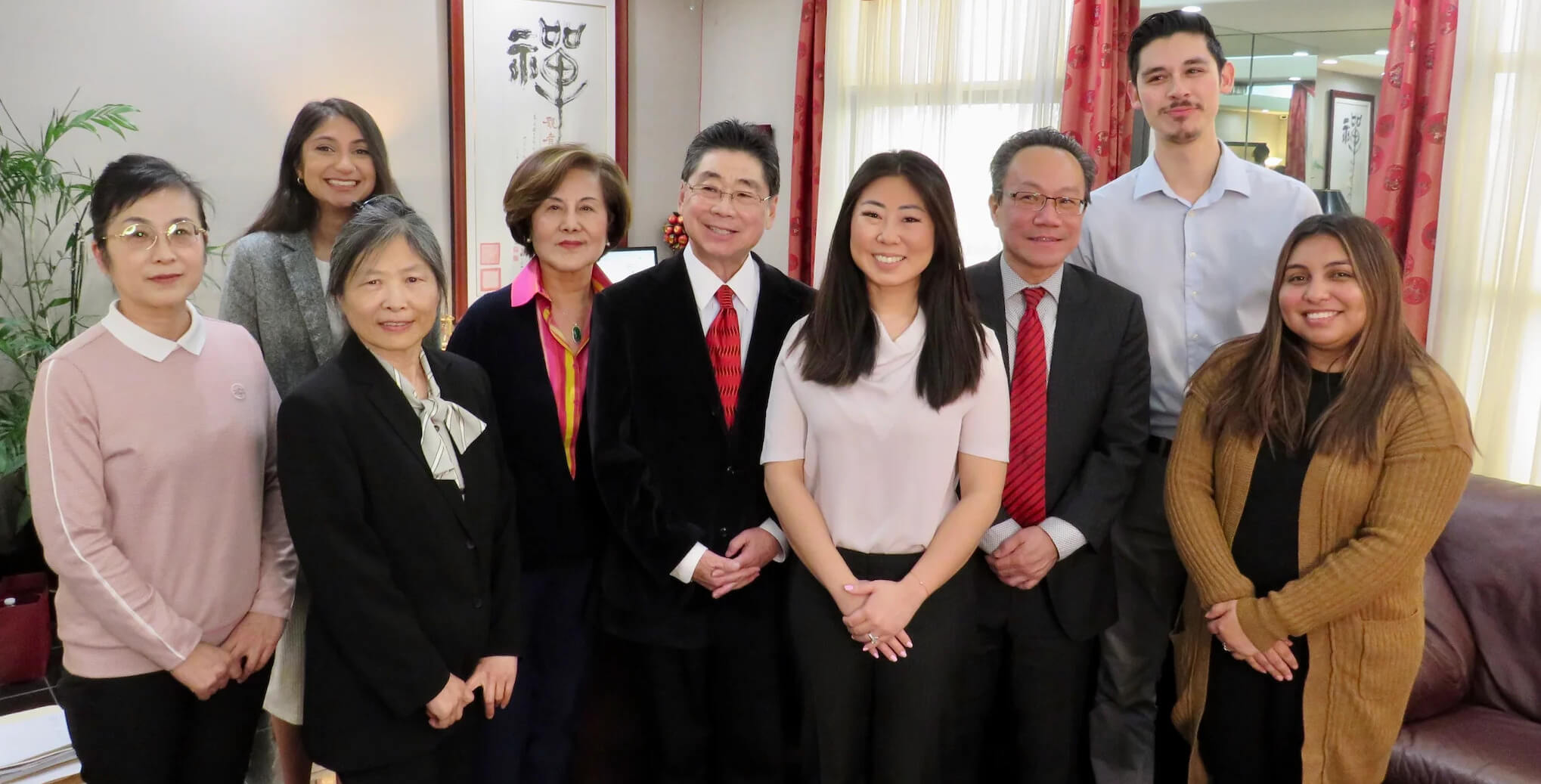
Why Choose Us?
-

Unmatched Expertise
Trust in Peter Chu's 75+ years of collective experience to guide you through complex immigration matters.
-

Tailored Solutions
Our personalized strategies adapt to your unique circumstances, ensuring we meet your specific immigration needs.
-

Proven Success
Benefit from our solid track record in achieving favorable outcomes in various immigration cases across San Diego.
-

Dedicated Service
Experience our client-first approach that ensures constant support and guidance throughout your immigration journey.


Get clear, expert legal guidance tailored to your visa, green card, or citizenship needs.

Inquire now to check if you qualify
Why Perris Residents Choose Specialized O-1A Counsel Over General Immigration Services
Perris residents seeking an o-1a extraordinary ability visa perris have three primary options: retain a general immigration attorney who handles all visa types, work with a paralegal-driven visa filing service, or engage an attorney who focuses specifically on employment-based nonimmigrant visas including O-1A classification. Each approach carries different risks and cost structures. Here's the honest answer: O-1A petitions are not form-based applications — they are legal arguments that require knowledge of USCIS policy manual guidance, adjudication trends, and how to frame achievements in regulatory language. General immigration attorneys who primarily handle family-based petitions or asylum cases often lack this specialized knowledge. Paralegal-driven services may prepare the forms correctly but cannot provide the legal strategy required to meet the 'extraordinary ability' standard. Law office of Peter Darwin Chu limits its practice to employment-based visa categories, ensuring that every O-1A petition benefits from an attorney who regularly litigates these cases and understands what USCIS adjudicators expect.
| Approach | Case Strategy | Attorney Involvement | Cost Structure | Bottom Line |
|---|---|---|---|
| General Immigration Firm | Standardized, multi-practice | Limited review | $3,000–$6,000 | May lack O-1A-specific expertise |
| Paralegal Filing Service | Form completion focus | Minimal or none | $1,500–$3,000 | No legal argument — high RFE risk |
| O-1A Specialized Counsel | Tailored evidentiary strategy | Direct attorney drafting | $5,000–$10,000 | Highest approval likelihood, substantive preparation |
Frequently Asked Questions
Find answers to common questions about our services
-
Standard USCIS processing for O-1A petitions is currently 2–4 months from the date of filing, though processing times vary by service center. Perris applicants file through the California Service Center, which has historically processed O-1 cases within 6
-
Attorney fees for O-1A petition preparation typically range from $5,000 to $10,000 depending on case complexity, the number of evidentiary sources requiring coordination, and whether the petition is an initial filing or an extension. This fee covers legal
-
Yes, you can apply for O-1A status while in the United States on another nonimmigrant visa — this is called a 'change of status' application. The most common scenario is transitioning from F-1 student status or H-1B specialty occupation status to O-1A. Th
-
O-1A classification is available to individuals with extraordinary ability in sciences, education, business, or athletics — not arts or entertainment, which fall under O-1B. In Perris, qualifying professionals include research scientists, university profe
-
Yes, O-1A status requires a U.S. employer or agent to sponsor your petition. The employer files Form I-129 on your behalf and must provide a written contract or summary of the terms of your employment, an itinerary of events or activities you will partici
-
USCIS requires that you meet at least three of the following eight criteria: receipt of nationally or internationally recognized prizes or awards, membership in associations requiring outstanding achievements, published material about you in professional
-
Yes, your spouse and unmarried children under age 21 can accompany you to the United States in O-3 dependent status. O-3 dependents may attend school but are not authorized to work in the U.S. They apply for O-3 status either at the same time as your O-1A
-
If USCIS denies your O-1A petition, you receive a written decision explaining the reasons for denial — typically that you did not meet at least three of the eight regulatory criteria or that the evidence did not establish sustained national or internation
Need Personalized Immigration Guidance?

