
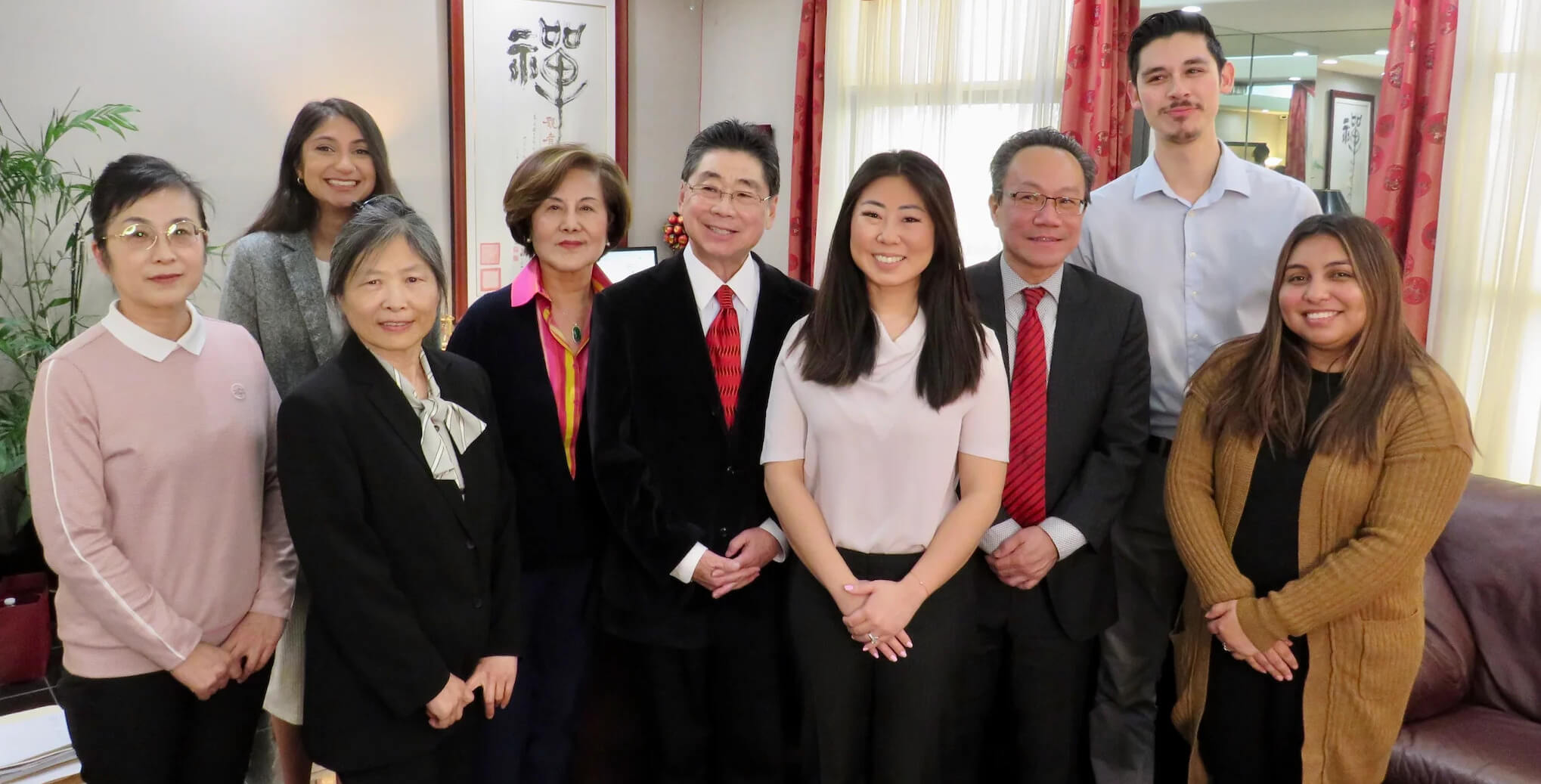
Why Choose Us?
-

Unmatched Expertise
Trust in Peter Chu's 75+ years of collective experience to guide you through complex immigration matters.
-

Tailored Solutions
Our personalized strategies adapt to your unique circumstances, ensuring we meet your specific immigration needs.
-

Proven Success
Benefit from our solid track record in achieving favorable outcomes in various immigration cases across San Diego.
-

Dedicated Service
Experience our client-first approach that ensures constant support and guidance throughout your immigration journey.


Get clear, expert legal guidance tailored to your visa, green card, or citizenship needs.

Inquire now to check if you qualify
Why Choose a Licensed O-1A Lawyer Over DIY Filing or Generic Immigration Services
Glendale professionals seeking O-1A status face three primary options: self-filing using USCIS forms and instructions, hiring a non-attorney immigration consultant or petition mill service, or retaining a licensed immigration attorney with O-1A specialization. Each path carries distinct risks and outcomes.
Here's the honest answer: O-1A petitions require legal judgment—not just form completion. The eight regulatory criteria are interpreted through hundreds of unpublished AAO decisions, USCIS policy memoranda, and federal court rulings that define terms like 'major significance,' 'critical role,' and 'commanding salary' in ways that contradict plain-language readings. A non-attorney service can assemble your documents, but they cannot provide the legal analysis required to argue why your specific achievements meet the standard when USCIS questions them in an RFE. Self-filed O-1A petitions have approval rates approximately 40% lower than attorney-represented cases according to USCIS administrative data, and the cost of a denial—lost work authorization, visa interview delays, potential bar on reapplication—far exceeds the cost of initial legal representation.
| Approach | Evidentiary Strategy | RFE Response Capability | Legal Argument Quality | Professional Assessment |
|---|---|---|---|---|
| Licensed O-1A Attorney | Tailored to USCIS precedent and case law | Full legal brief with supplemental evidence | Cites statutory authority and AAO decisions | Required for complex cases and RFE responses |
| Non-Attorney Immigration Service | Template-based, generic criterion matching | Limited to document assembly, no legal analysis | None—cannot provide legal conclusions | High risk—no malpractice recourse if petition fails |
| Self-Filing (DIY) | Based on applicant's interpretation of criteria | Dependent on applicant's legal research ability | No formal legal training or precedent knowledge | Only viable for exceptionally clear-cut cases with overwhelming evidence |
| Employer HR or In-House Counsel | May lack O-1A-specific expertise | Limited availability for individual cases | General immigration knowledge, not O-1A specialization | Suitable for large companies with dedicated immigration teams |
Frequently Asked Questions
Find answers to common questions about our services
-
O-1A processing times at the California Service Center currently average 2–4 months for standard processing, though this timeline fluctuates based on USCIS caseload and policy changes. Premium processing is available for an additional $2,805 fee and guara
-
Attorney fees for O-1A petition preparation typically range from $5,000 to $10,000 depending on case complexity, the number of evidentiary criteria being argued, and whether the case requires extensive legal research or expert consultations. This fee cove
-
Yes, you can file for O-1A status as a change of status from most nonimmigrant categories including F-1 OPT, H-1B, L-1, E-2, or B-1/B-2, provided your current status is valid and you have not violated its terms. The O-1A petition is filed while you remain
-
USCIS requires evidence satisfying at least three of eight regulatory criteria: receipt of major awards, membership in associations requiring outstanding achievement, published material about you in professional media, participation as a judge of others'
-
Yes, but each employer must file a separate O-1A petition on your behalf. Unlike H-1B status, which allows concurrent employment if each employer files an H-1B petition, O-1A status is petition-specific—you are authorized to work only for the petitioning
-
If your O-1A petition is denied and you are currently in the United States on another valid visa status, that underlying status remains valid and you may continue to stay under its terms. If you filed the O-1A as a change of status and have no other valid
-
Yes, your spouse and unmarried children under 21 may apply for O-3 dependent status, which allows them to remain in the United States for the same period as your O-1A status. O-3 dependents may attend school but are not authorized to work. Dependent appli
-
Both O-1A and EB-1A use similar evidentiary criteria to establish extraordinary ability, but O-1A is a temporary nonimmigrant visa requiring employer or agent sponsorship, while EB-1A is a self-petitioned employment-based green card leading to permanent r
Need Personalized Immigration Guidance?

