
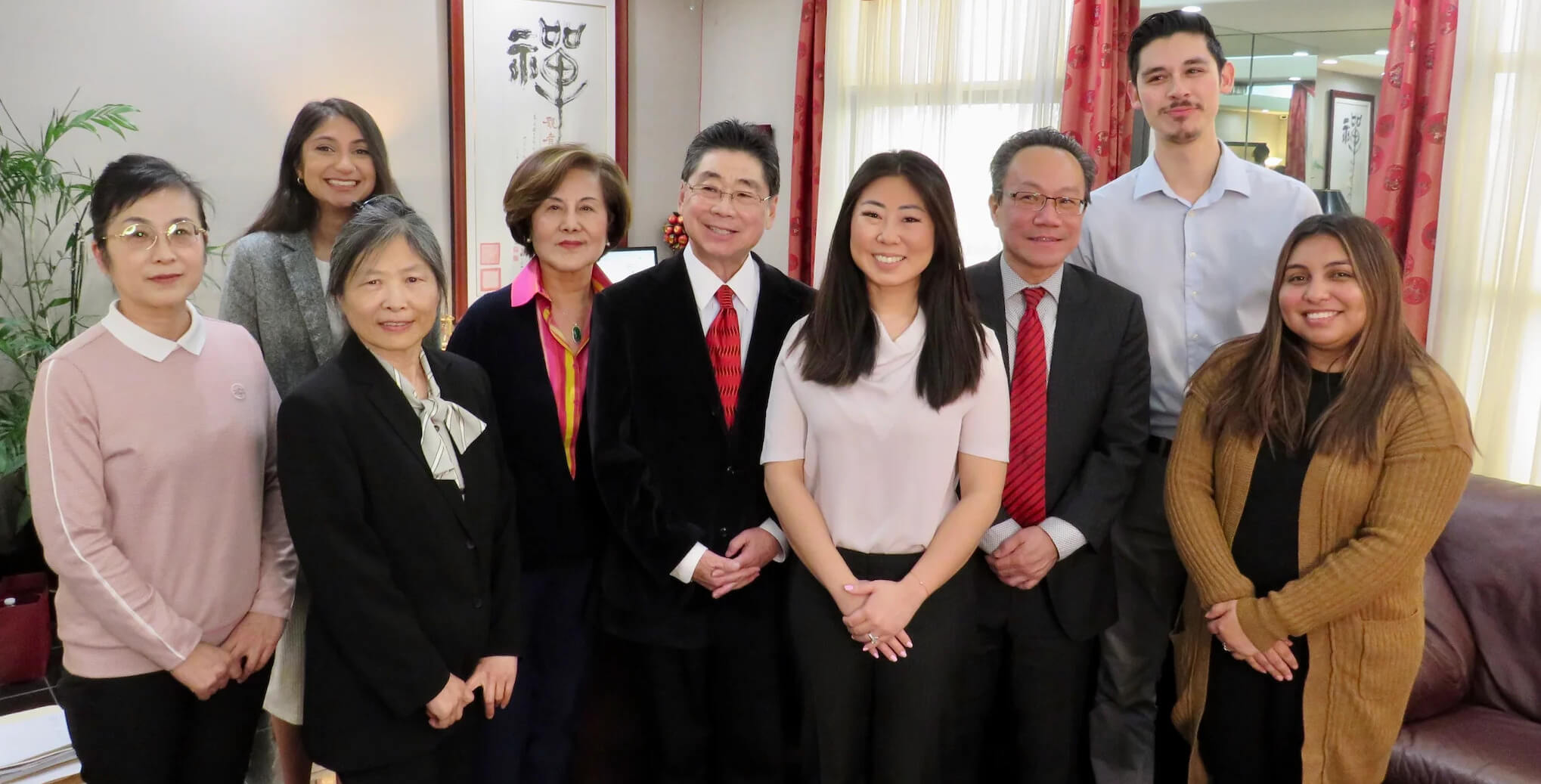
Why Choose Us?
-

Unmatched Expertise
Trust in Peter Chu's 75+ years of collective experience to guide you through complex immigration matters.
-

Tailored Solutions
Our personalized strategies adapt to your unique circumstances, ensuring we meet your specific immigration needs.
-

Proven Success
Benefit from our solid track record in achieving favorable outcomes in various immigration cases across San Diego.
-

Dedicated Service
Experience our client-first approach that ensures constant support and guidance throughout your immigration journey.


Get clear, expert legal guidance tailored to your visa, green card, or citizenship needs.

Inquire now to check if you qualify
O-1A Lawyer vs. DIY Petition Filing vs. Generic Immigration Firms
Here's the honest answer: O-1A petitions have one of the highest Request for Evidence (RFE) rates among employment-based visa categories — over 60% according to recent USCIS data — because the 'extraordinary ability' standard is subjective and adjudicators apply it inconsistently across service centers. A petition drafted without understanding how USCIS interprets the eight regulatory criteria, or without citing the relevant AAO precedent decisions, will almost certainly result in an RFE or denial. Generic immigration firms that handle all visa types rarely have the depth of O-1A case law knowledge required to frame evidence persuasively, and DIY petitions prepared by the applicant or employer typically fail to address the comparative evidence requirement — showing that your achievements exceed those of others in the field.
| Approach | Evidence Strategy | USCIS Precedent Knowledge | RFE Response Capability | Professional Assessment |
|---|---|---|---|---|
| O-1A Lawyer Hemet | Tailored to your field's recognition mechanisms | Cites AAO decisions and federal case law | Analyzes deficiency and responds with targeted evidence | Highest approval rate — evidence framed under applicable legal standard |
| DIY Petition | Submits credentials without comparative analysis | Unaware of applicable precedent | Often cannot cure deficiency in time | High RFE and denial rate — evidence not structured to regulatory criteria |
| Generic Immigration Firm | Uses template language across all fields | Limited O-1A-specific case law expertise | Responds generically without field-specific strategy | Moderate success — lacks specialized O-1A depth |
| Employer HR Department | Submits resume and awards list | No legal training in immigration adjudication | Cannot respond to legal deficiency arguments | Frequently results in RFE or denial — no legal analysis of evidence |
Frequently Asked Questions
Find answers to common questions about our services
-
Standard O-1A processing at the California Service Center currently averages 2–4 months from filing to decision. Premium processing is available for an additional $2,805 fee and guarantees a decision within 15 calendar days — though the decision may be an
-
O-1A attorney fees typically range from $4,000 to $8,000 depending on case complexity, the volume of evidence requiring organization, and whether expert opinion letters need to be coordinated. This fee covers petition drafting, evidence compilation, and o
-
No — if you are in the U.S. on a B-1/B-2 tourist visa, you cannot file a change of status to O-1A because tourist status does not permit immigrant intent. You would need to depart the United States and apply for the O-1A visa through consular processing a
-
Both O-1A and EB-1A require evidence of extraordinary ability, but EB-1A is an immigrant visa leading to permanent residence while O-1A is a temporary work visa. The evidentiary standard for EB-1A is higher — you must demonstrate sustained national or int
-
A Request for Evidence (RFE) means USCIS needs additional documentation or clarification before making a decision. You have a strict deadline — typically 87 days from the date of the RFE notice — to submit a comprehensive response. Failure to respond, or
-
Yes — your spouse and unmarried children under 21 can apply for O-3 dependent visas, which allow them to accompany you to the United States for the duration of your O-1A status. O-3 dependents cannot work in the U.S., but they can attend school. Their O-3
-
The strongest O-1A petitions include at least three categories of evidence under 8 CFR 214.2(o)(3)(iii): awards or prizes for excellence, membership in associations requiring outstanding achievement, published material about you in professional publicatio
-
Yes — O-1A petitions require a U.S. employer or agent to serve as the petitioner and sponsor your visa. The petitioner must file the I-129 petition on your behalf and provide a detailed itinerary of the work you will perform, the duration of your assignme
Need Personalized Immigration Guidance?

